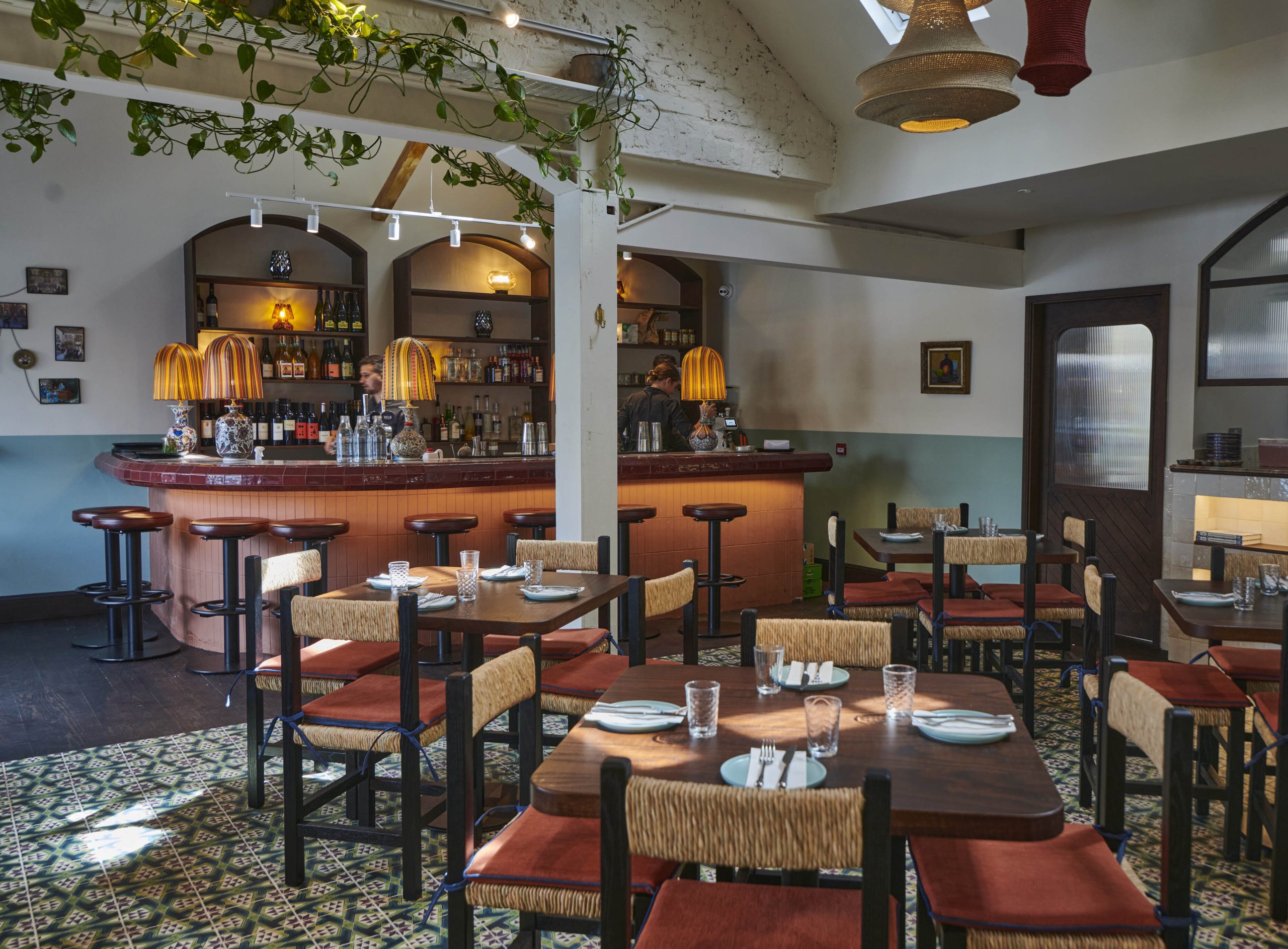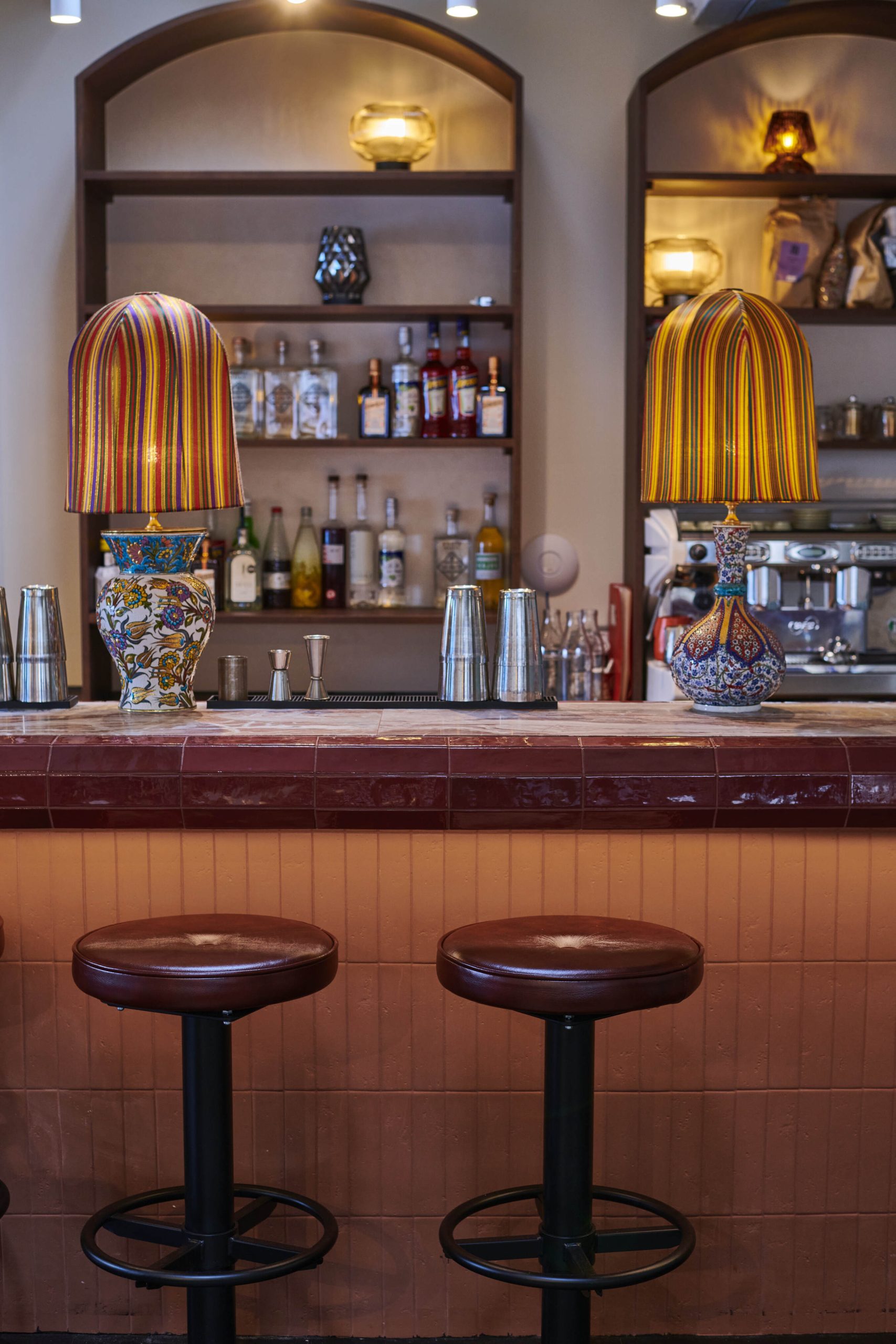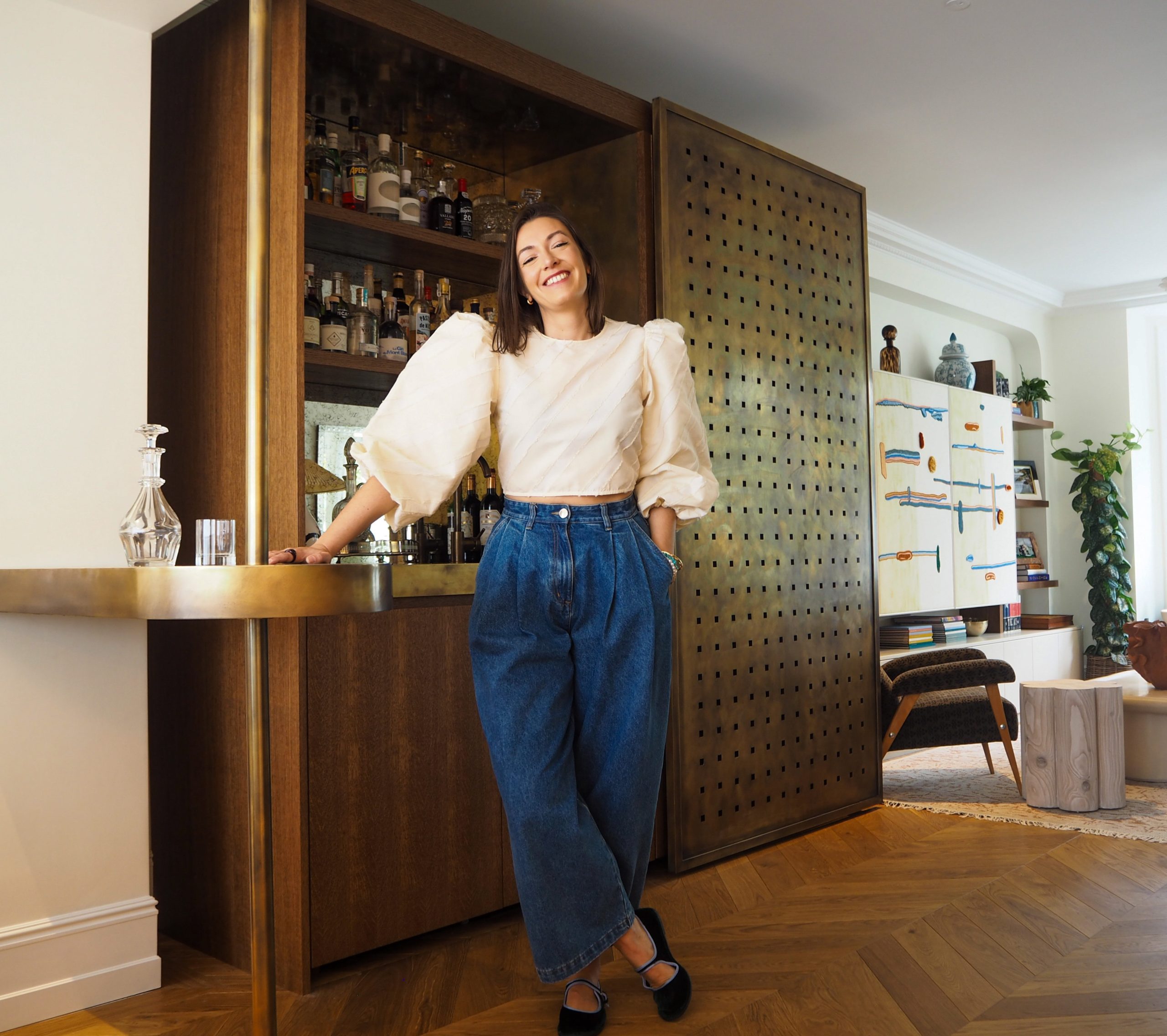
OWN LONDON is a multidisciplinary studio spanning interior design, architecture, construction and development. The studio consists of a multifaceted, multicultural team of over 60, which includes BIID interior designers and RIBA architects, with the talented Alicia Meireles taking on the role of Creative Director.
Alicia initially studied civil engineering before pivoting into a career in interior design. She brings a touch of eclecticism, skilled colour combination and a keen eye for detail to all of her projects.
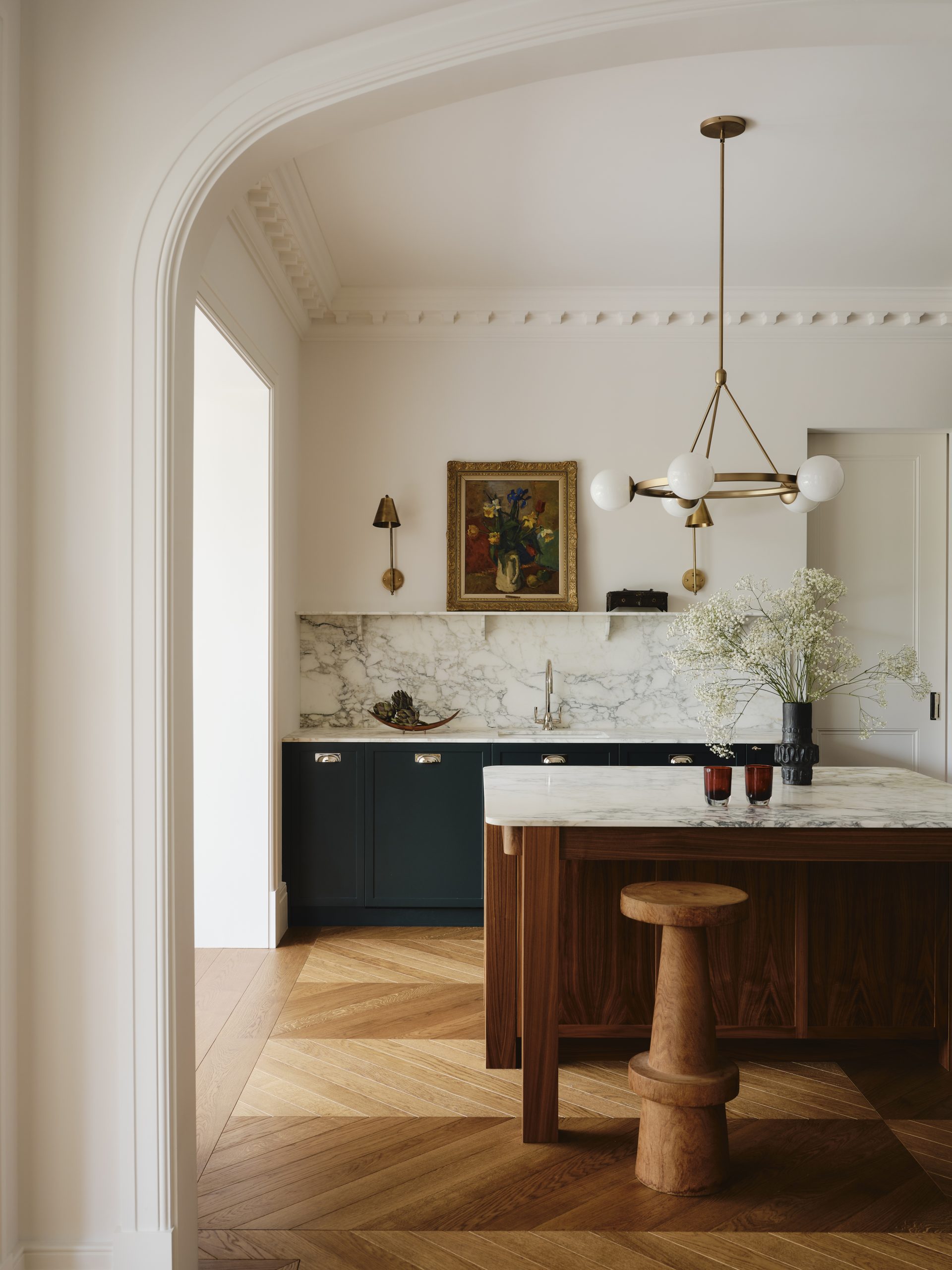
Alicia’s portfolio of works includes prime central London townhouses, five-star hotels across Europe and the Middle East, and private members clubs in Italy, France, Greece, Sweden, Japan and Portugal. She has a passion for working with local craftspeople, championing new design techniques and materials, which she adapts to create beautiful and unique interiors.
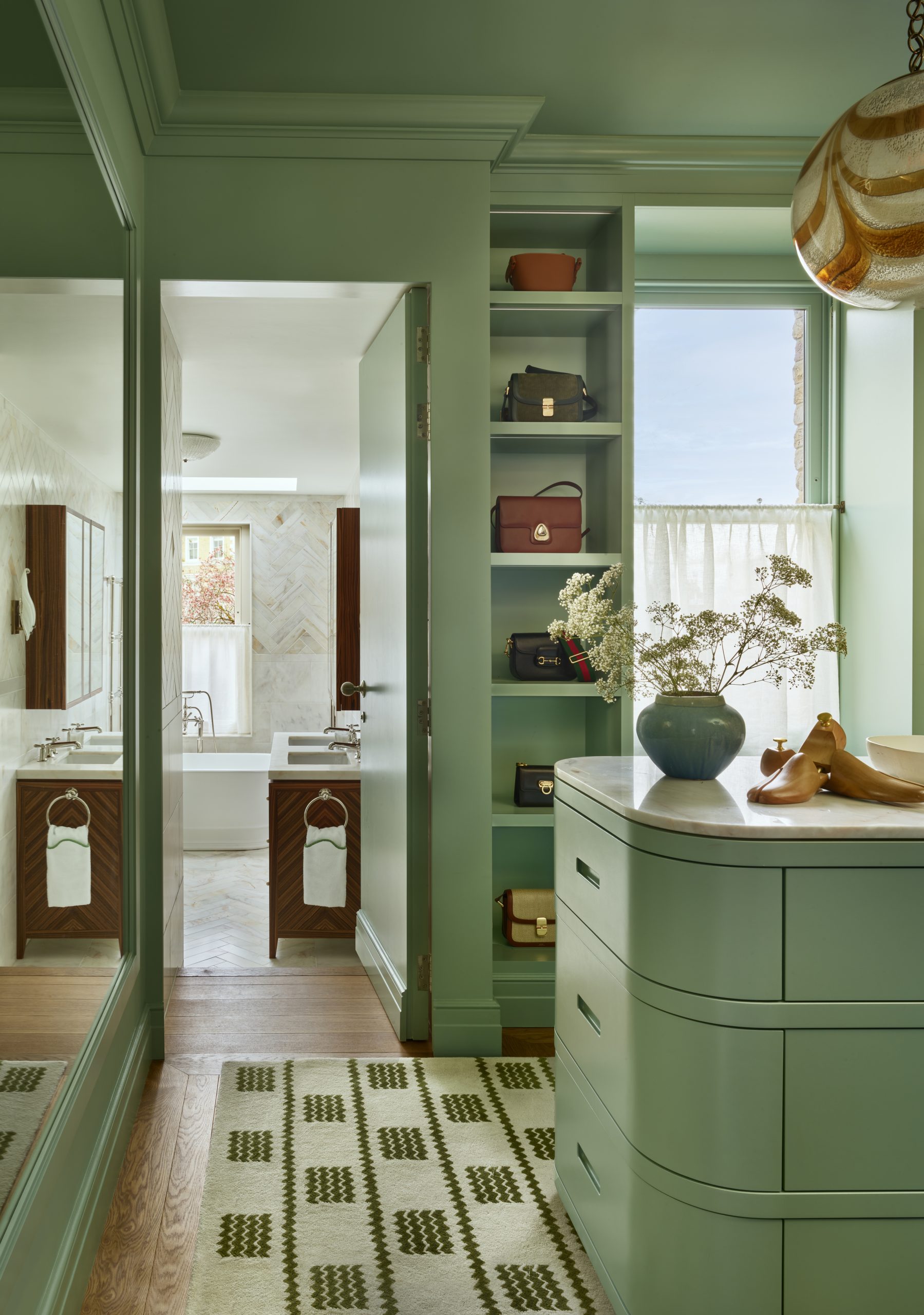
Here, Alicia shares her career journey and personal creative insights, from toddler doodle drawings to large-scale design commissions.
What is your earliest memory of design having an impact on you?
I was always creative, but I grew up in an environment where most people became either civil engineers or doctors. My mum was incredibly creative – she painted and collected art – and I think that influence shaped me early on. As a toddler, I would cover our walls with doodles and artworks, so my parents had to tile the entrance hall to protect it. That experience made me realise how instinctively drawn I was to creating and experimenting with design.
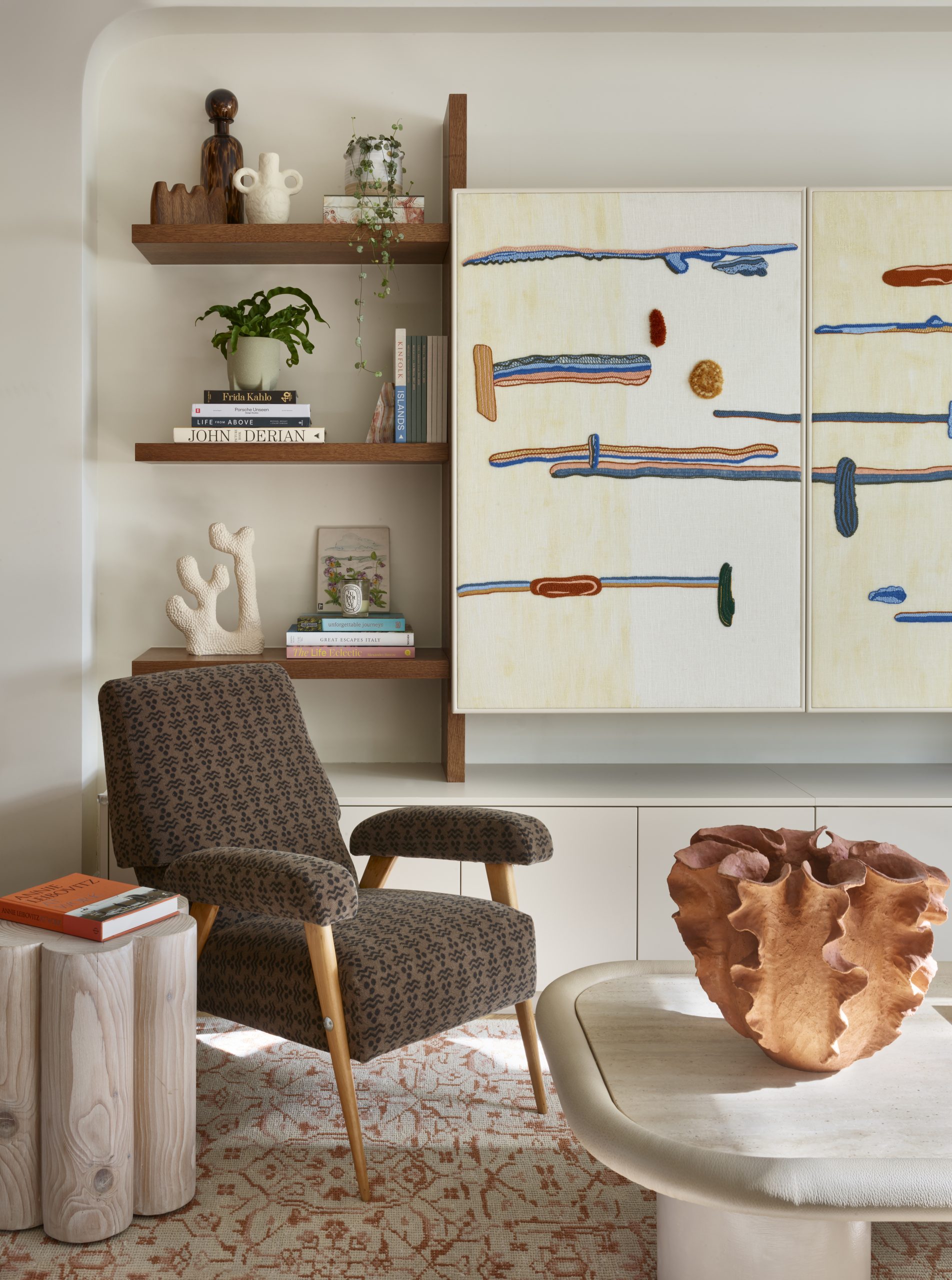
Where did you study design and what did you specialise in?
I initially studied civil engineering in Porto, [Portugal], which gave me a very methodical approach to projects. Later, I pursued Interior Design at Chelsea College of Art & Design, which allowed me to channel my creativity more fully. Professionally, I held senior design roles at Studio at Harrods, Hirsch Bedner Associates, and Soho House before joining OWN London in 2022.
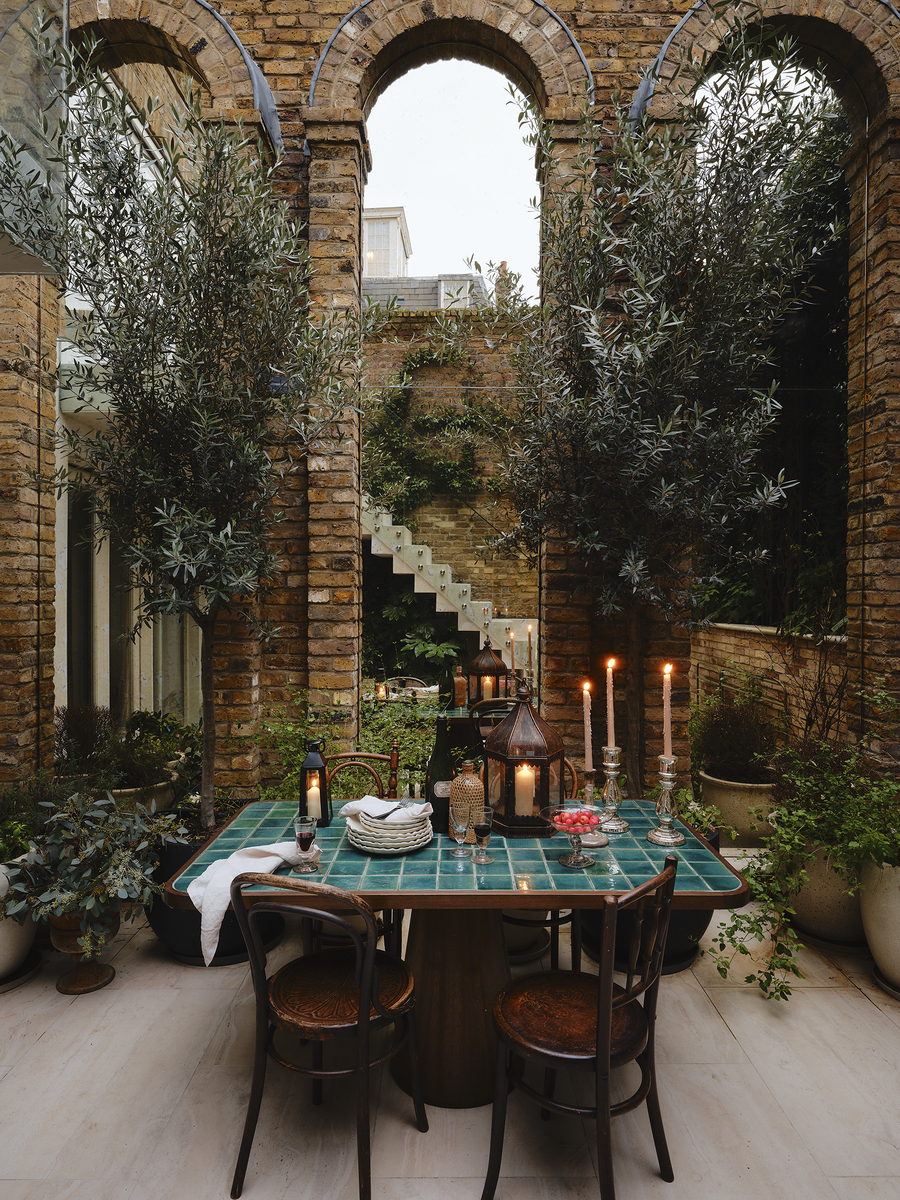
What kind of designer did you aspire to be and who are your inspirations?
Inspiration can come in many shapes and forms; I think ultimately how we are brought up defines what we gravitate towards and appreciate too. I love travelling, so exploring different locations and cultures enriches my creative library. Travel and architecture are such important inspirations; nature provides the best colour palettes. Used in an interior, they can transport you to a special moment – like a sunset hike in a beautiful landscape. I discovered a love of 20th century architecture and art during my time at Soho House and have always been drawn to detail. I’m also a sucker for art museums and antiques markets, and recently have been increasing my book collection to continue enriching my creative library.
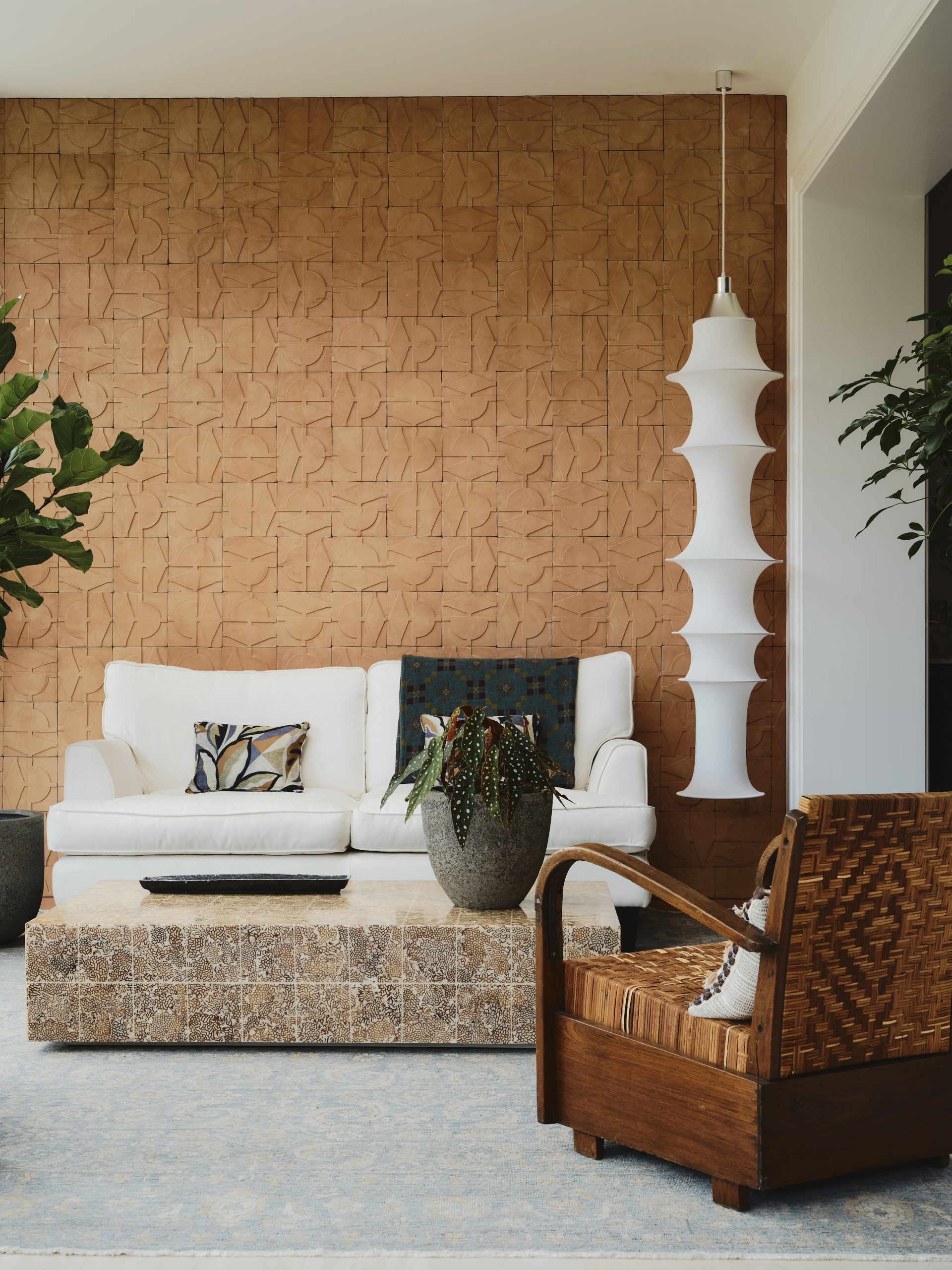
What has been your biggest design commission to date?
Before joining OWN London, one of my largest projects was Soho House Rome, which included a hotel, apartments, a private members’ club, a cinema, a gym, and a rooftop terrace with a pool. Since joining OWN London, I’m working on a townhouse in Holland Park, which is an ongoing project that has allowed me to fully explore bespoke and bold interiors. Both projects have challenged me to balance creativity with practicality at a large scale.
How would you describe OWN LONDON as a studio and a community of designers?
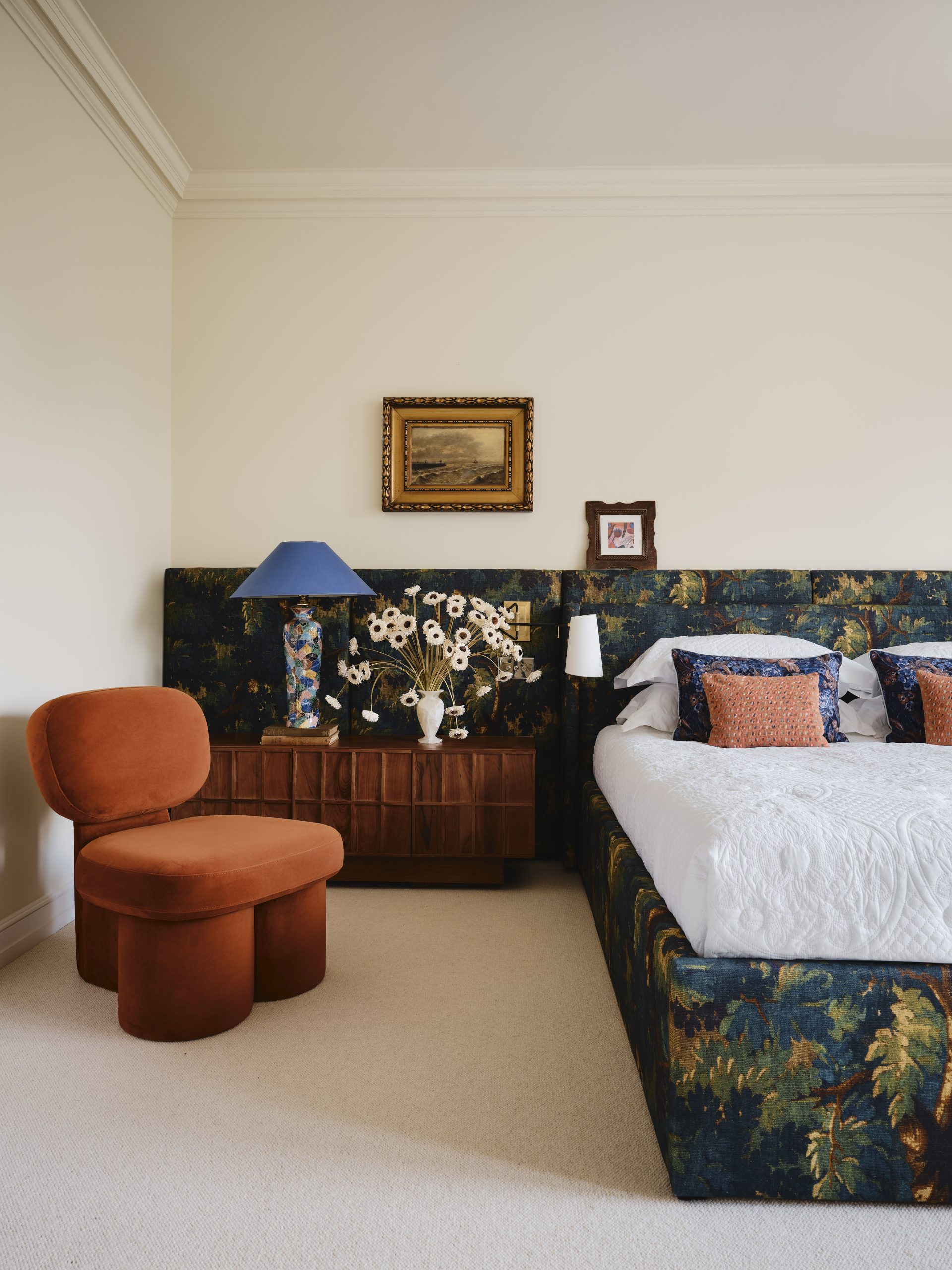
OWN LONDON operates with a cross-disciplinary and collaborative model. The team brings diverse expertise and perspectives, which allows us to develop solutions that are highly robust and well-considered.
What are the key characteristics you look for when bringing new talent into your studio?
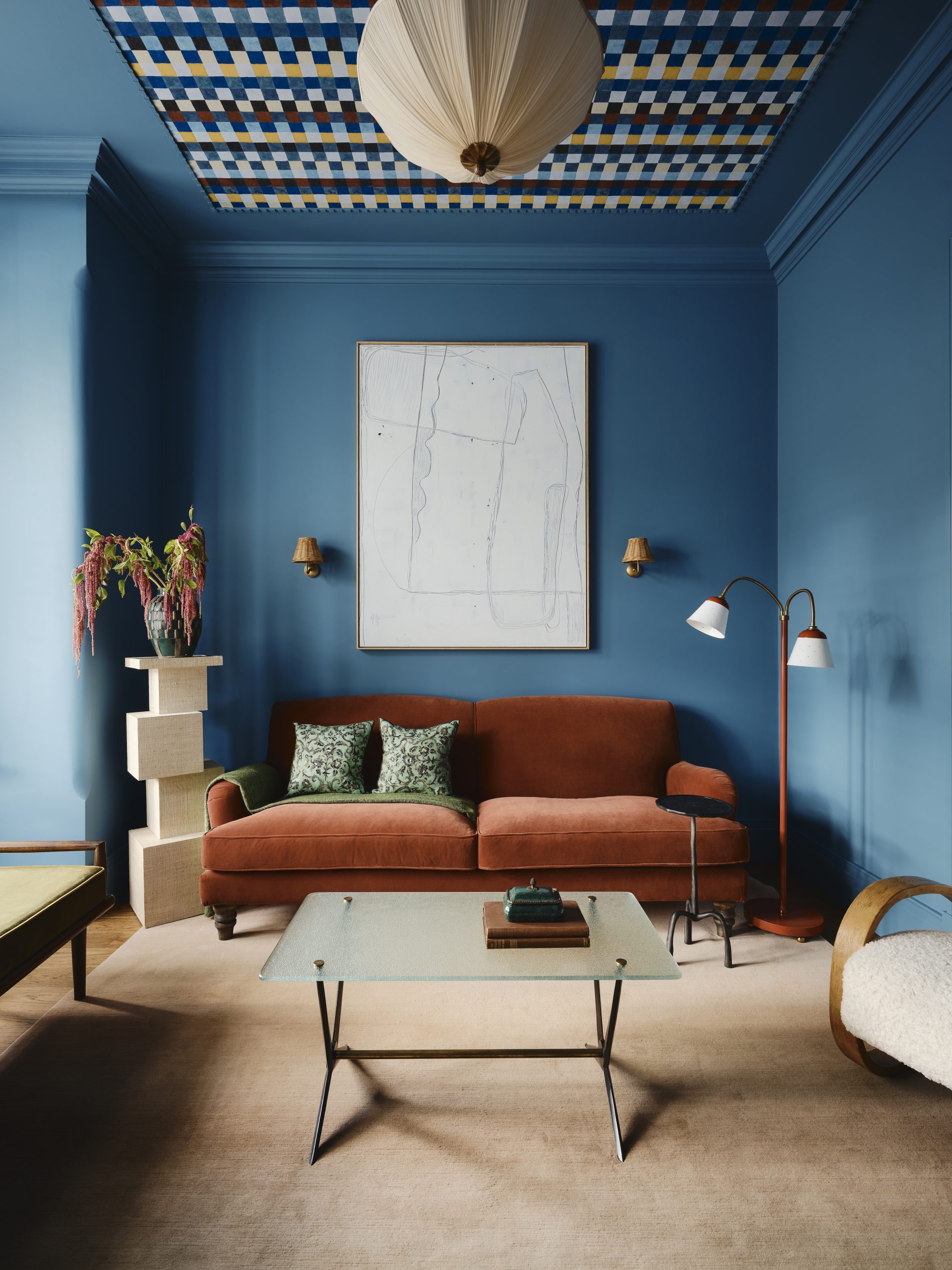
I look for people who have a can-do attitude, a strong sense of curiosity, and resilience. Diversity of background is also incredibly important – different life experiences bring fresh perspectives and enrich the studio’s creative output. Equally, I value individuals who are collaborative but also confident in their own design voice.
One of the themes in this issue is bar and restaurant design. What do you think the future of F&B design looks like?
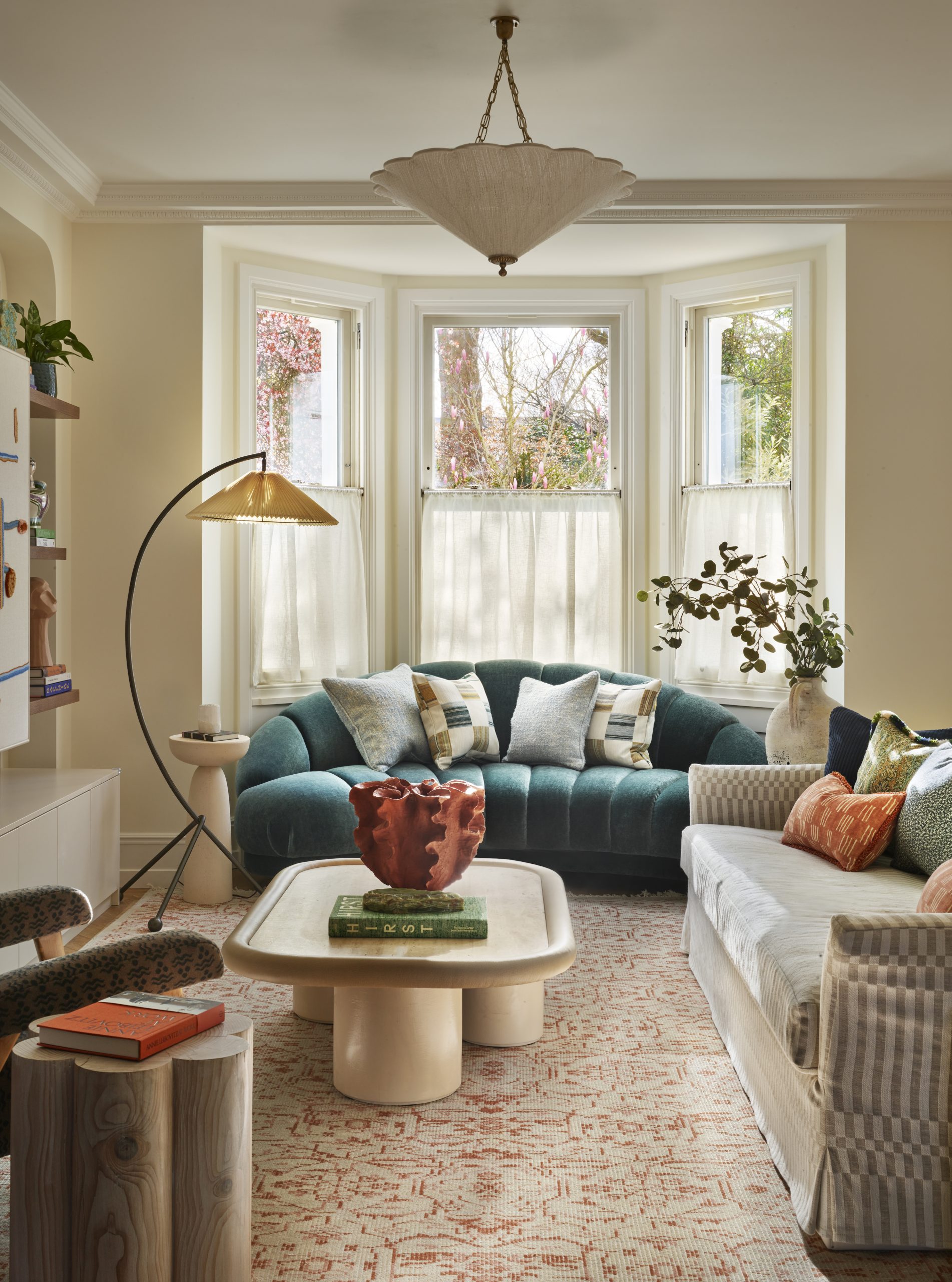
I see a clear trend towards spaces that feel comfortable, and lived-in rather than overly themed. Guests want to linger, so interiors that feel like extensions of a home – or an aspirational home – encourage longer visits and create memorable experiences. I also think sustainability and material authenticity will play a bigger role in how these spaces are designed moving forward.
What do you think should be a key focus for designers moving forward in 2026 and beyond?
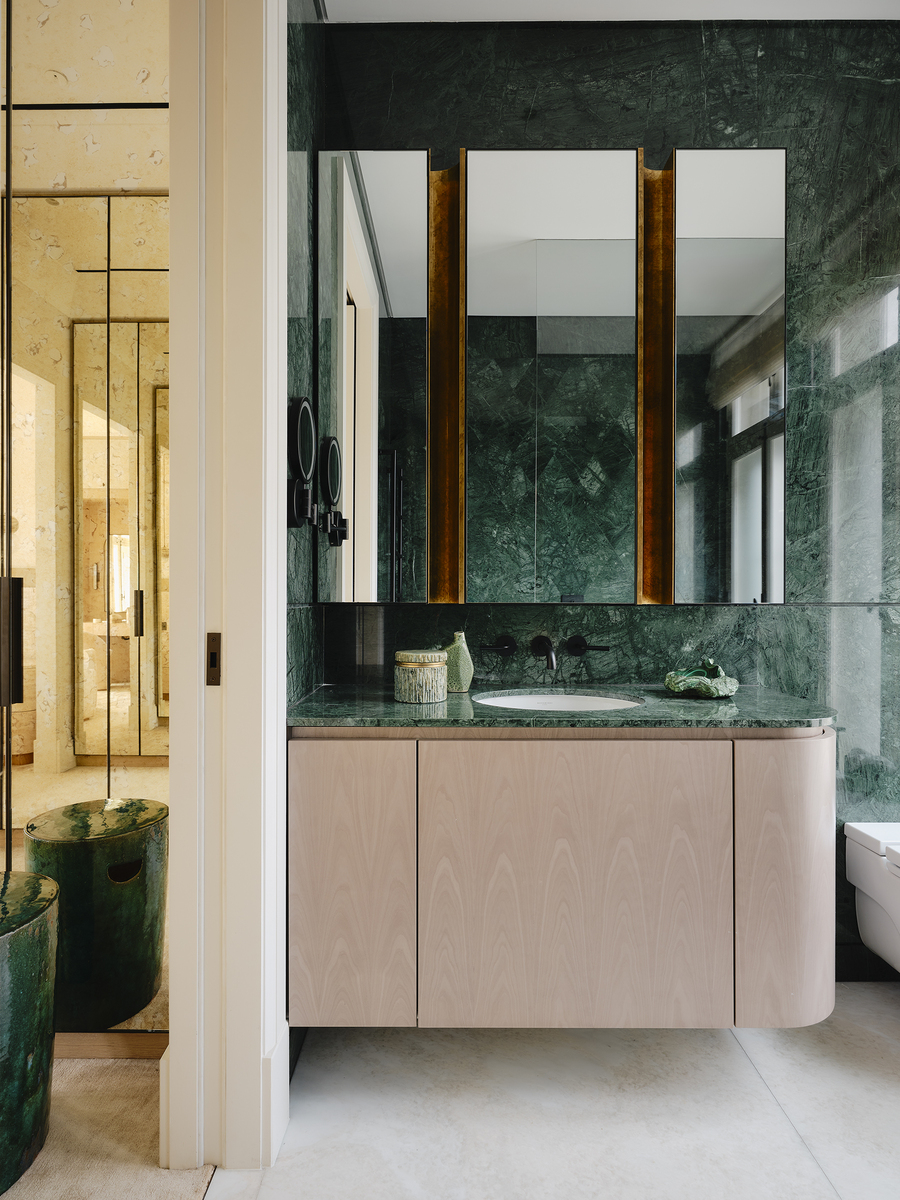
Designers should focus on suitability and longevity, not just visual impact. Materials, ergonomics, and adaptability are sometimes overlooked, yet they are critical to how a space is experienced and maintained over time. I believe thoughtful design must balance beauty, function, and sustainability to create interiors that truly serve the people who use them.
If you hadn’t become an interior designer what would you be doing?
I’d love to have worked in film – I find the making of movies truly fascinating. And I guess I could have put my multitasking skills to work too!
www.ownlondon.co.uk | IG: @own.london | LinkedIn: @ownlondon