
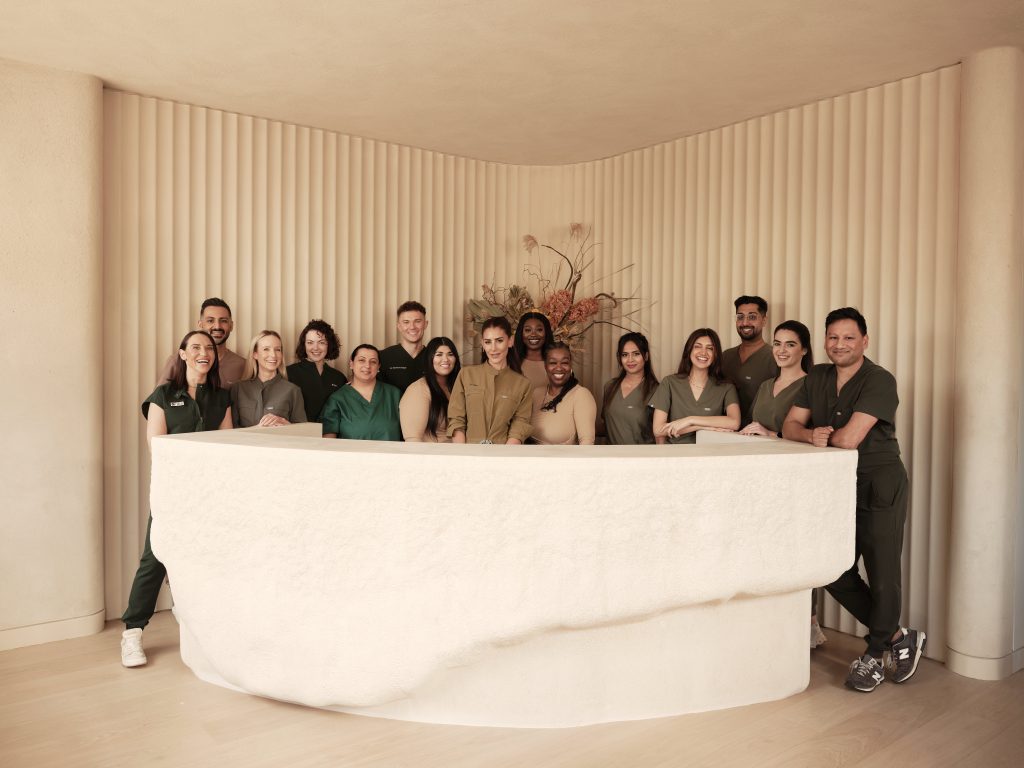
In Chelsea, where immaculate townhouses and private members’ clubs set the aesthetic standard, expectations of beauty extend far beyond fashion and interiors. Increasingly, they shape how we experience healthcare too. The Chelsea Dental Clinic, led by Dr. Rhona Eskander, is part of a growing movement redefining what a clinical environment should feel like, replacing anxiety with atmosphere and sterility with sensory calm.
Traditionally, dental practices have been designed around efficiency first: bright lights, wipeable surfaces and an unmistakably medical visual language. Here, that hierarchy has been reconsidered. The clinic was conceived less as a place of treatment and more as a place of arrival, an environment that softens the psychological barrier many patients feel before they even sit in the chair.

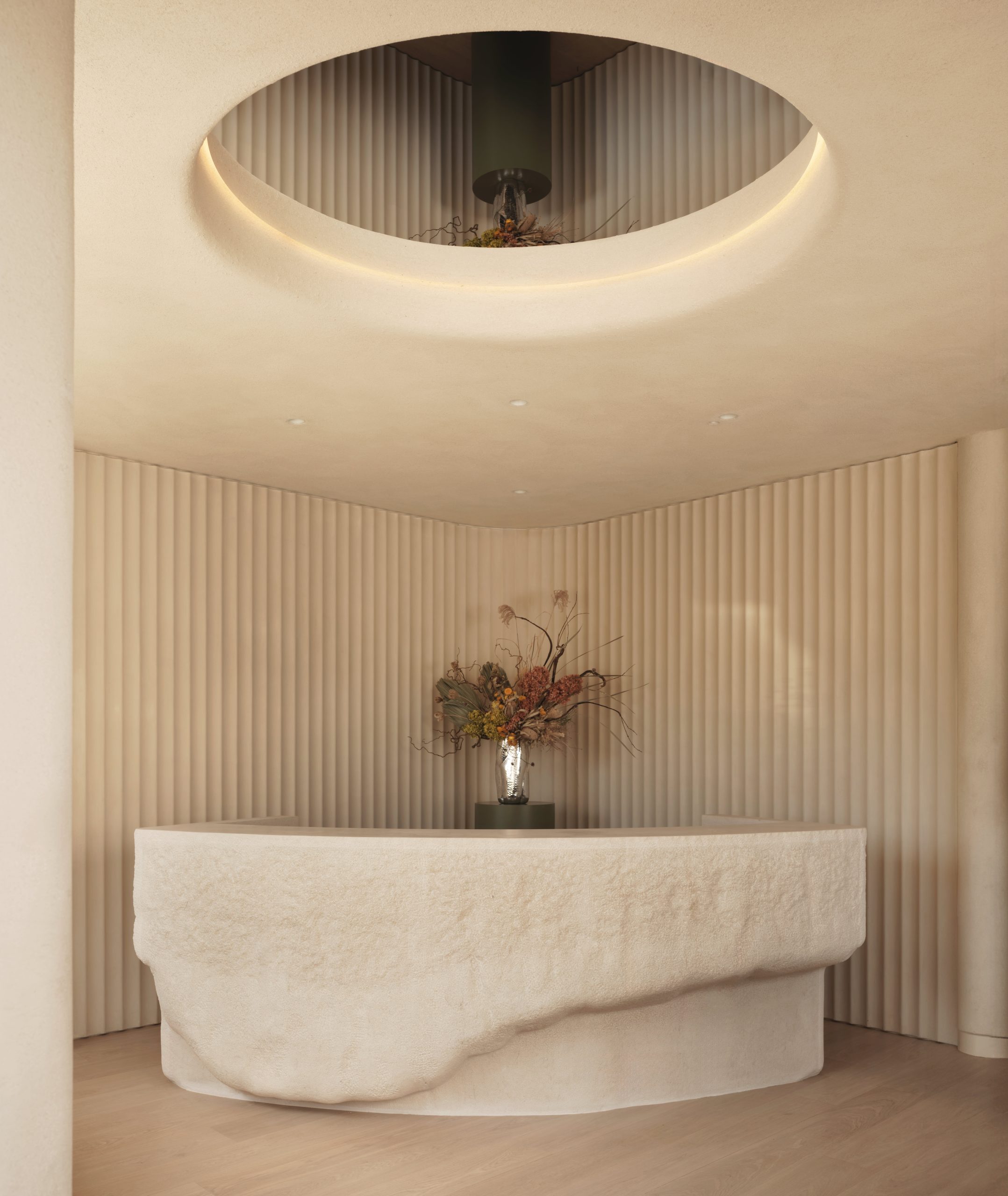
The interior, created by designer Tanya Eskander, approaches healthcare through the lens of hospitality. Rather than borrowing superficially from hotel aesthetics, the design draws from the emotional cues of high-end spaces: warmth, tactility and visual quietness. The reception area opens in pale natural light, anchored by a sculptural solid stone desk that reads more gallery installation than counter. There is no abrupt transition from street to surgery; instead, a gentle decompression.

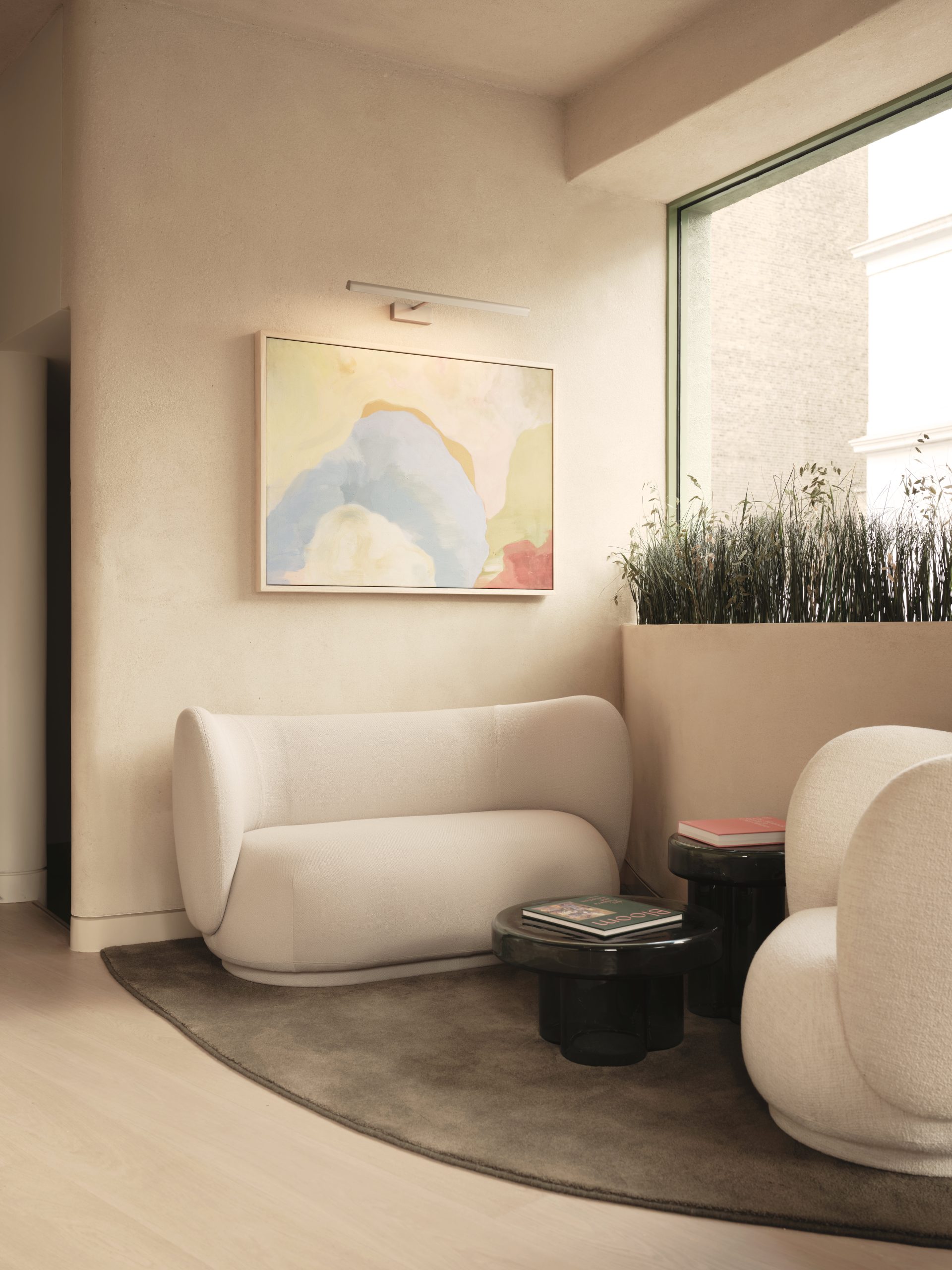
Materiality plays a central role in this effect. Clay-rendered walls and ceilings introduce softness and depth, subtly referencing the organic structures of the human body while avoiding overt medical symbolism. The palette is restrained, chalky neutrals, muted tones and natural finishes, encouraging the nervous system to slow down. Plush leather seating and tailored detailing reinforce the feeling of a lounge rather than a waiting room, shifting the patient’s mindset before treatment begins.

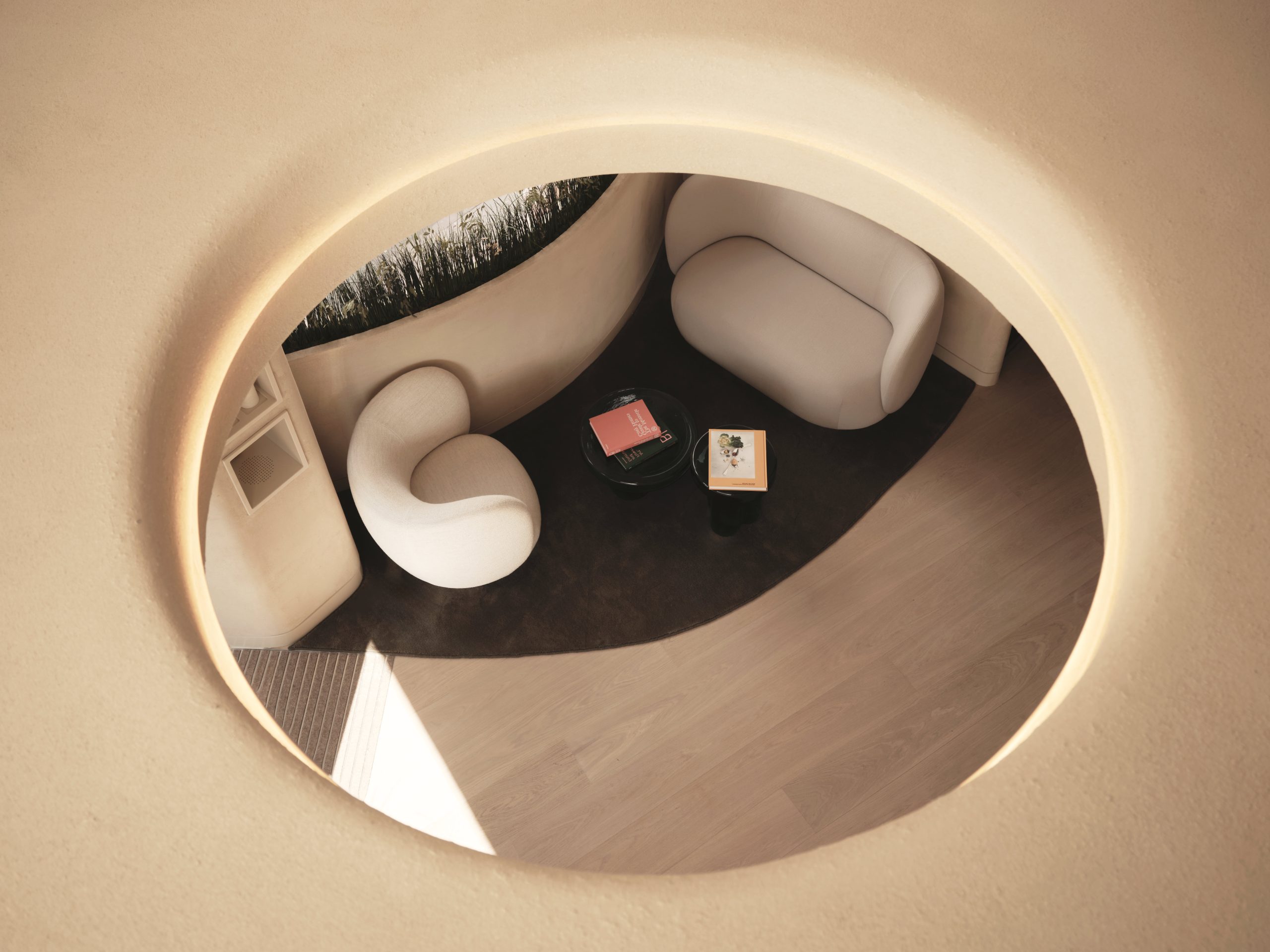
The design language also prioritises proportion and flow. Corridors are intentionally widened and sightlines carefully managed so patients are never confronted by clinical equipment unexpectedly. Lighting is layered rather than overhead-dominant, moving from ambient warmth in social areas to focused precision within treatment rooms. This gradual visual transition mirrors the emotional journey of the patient, allowing reassurance to build naturally rather than being forced through explanation alone.
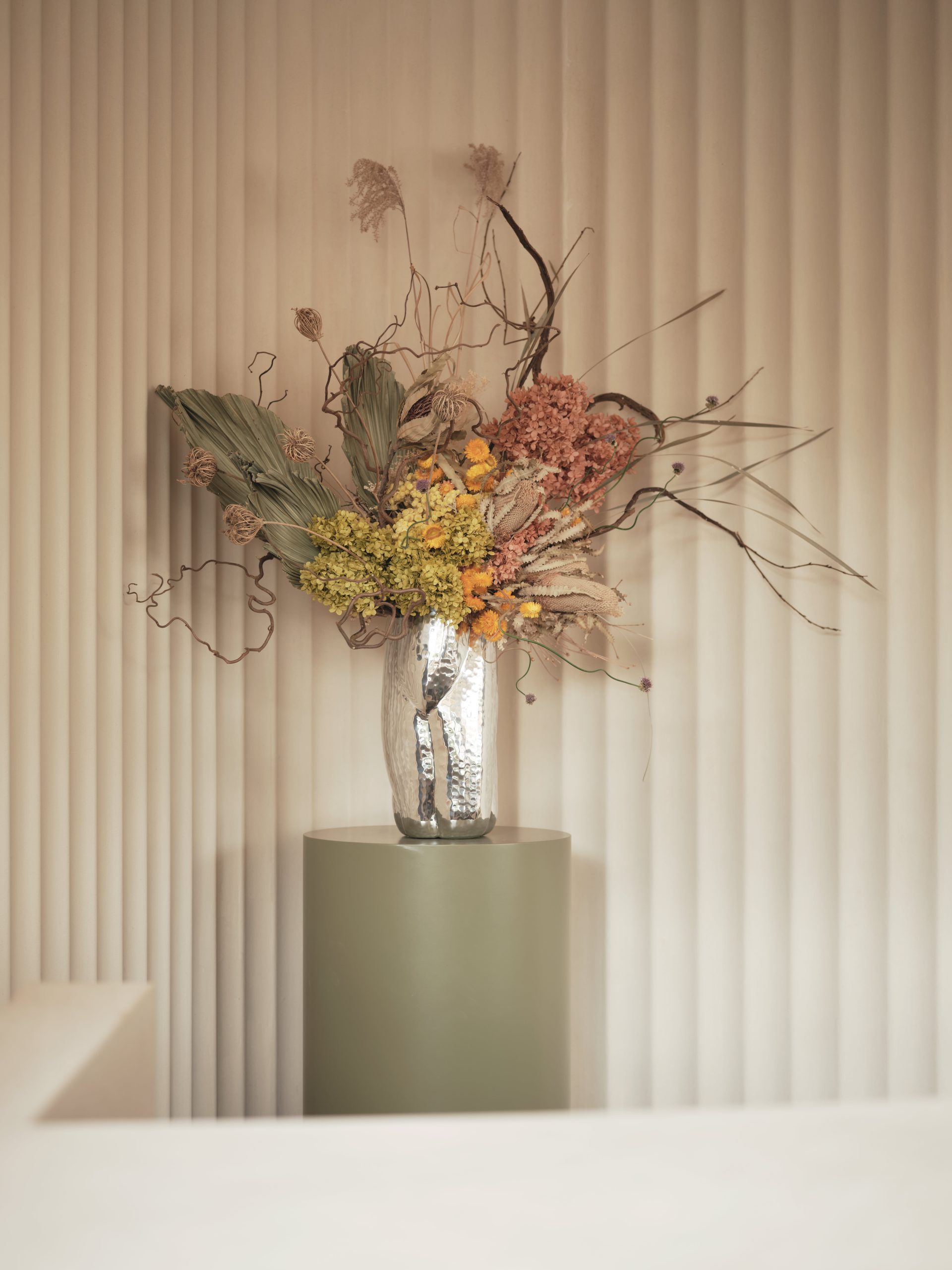
Even decorative elements are purposeful. Oversized chandeliers soften ceiling heights and introduce domestic familiarity, while bespoke joinery conceals storage and technology to preserve visual calm. The result is a space that feels curated rather than fitted, closer to a residential interior than a medical facility, where each object contributes to a sense of trust, permanence and discretion.

What makes the project particularly compelling is the balance between heritage and innovation. The building’s period architecture has not been erased but elevated: bespoke panelling and ceiling roses coexist with oversized contemporary chandeliers and minimal monochrome accents. It avoids the common trap of medical minimalism; instead, it feels residential, considered and quietly luxurious.
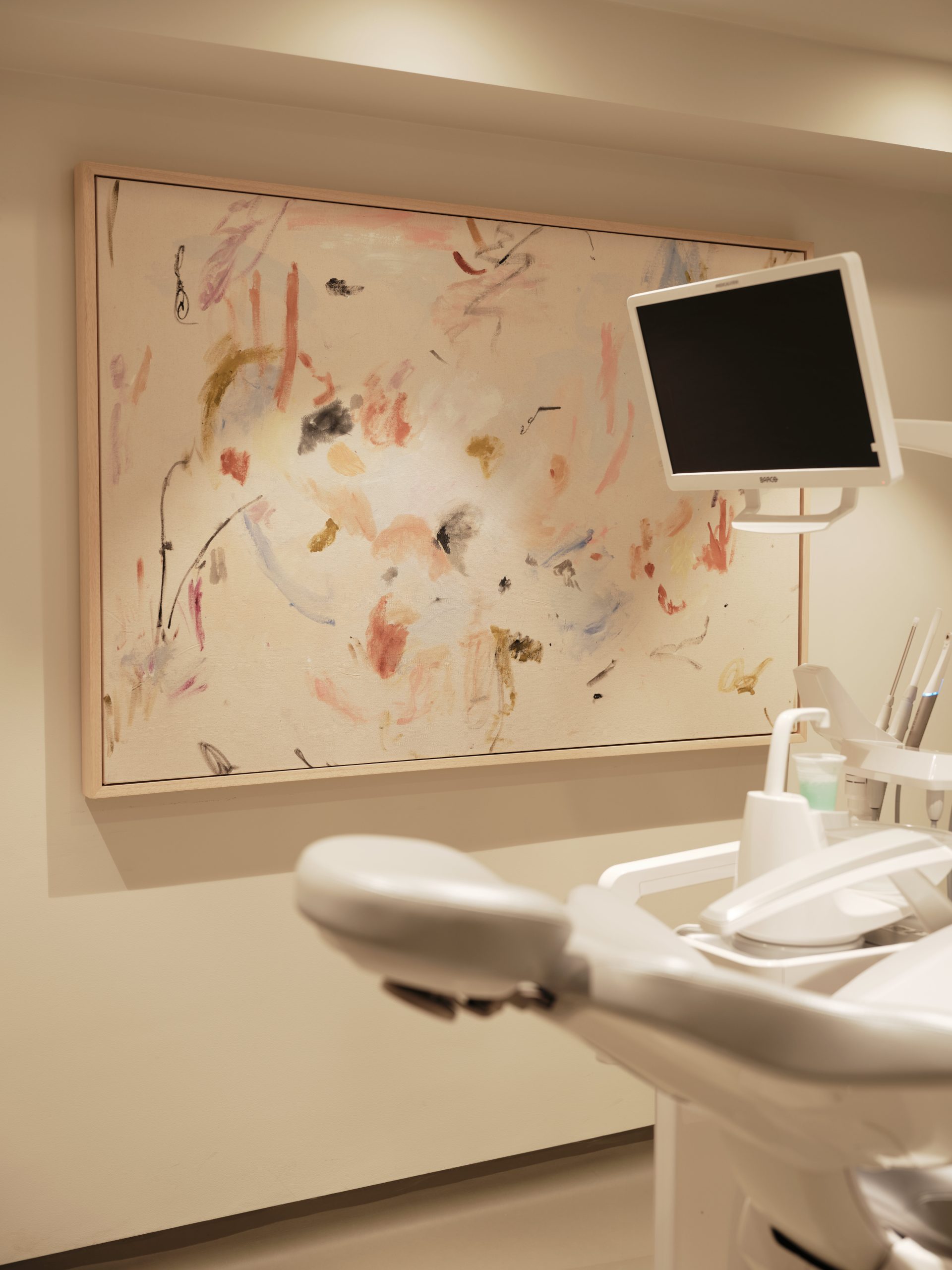
Behind this calm, however, sits uncompromising technical precision. Treatment rooms are engineered with what the team describes as a “Formula One” mentality, every movement optimised, every piece of equipment integrated seamlessly into the architecture. Technology is present but visually recessive, ensuring that clinical excellence does not dominate the emotional experience of the patient.
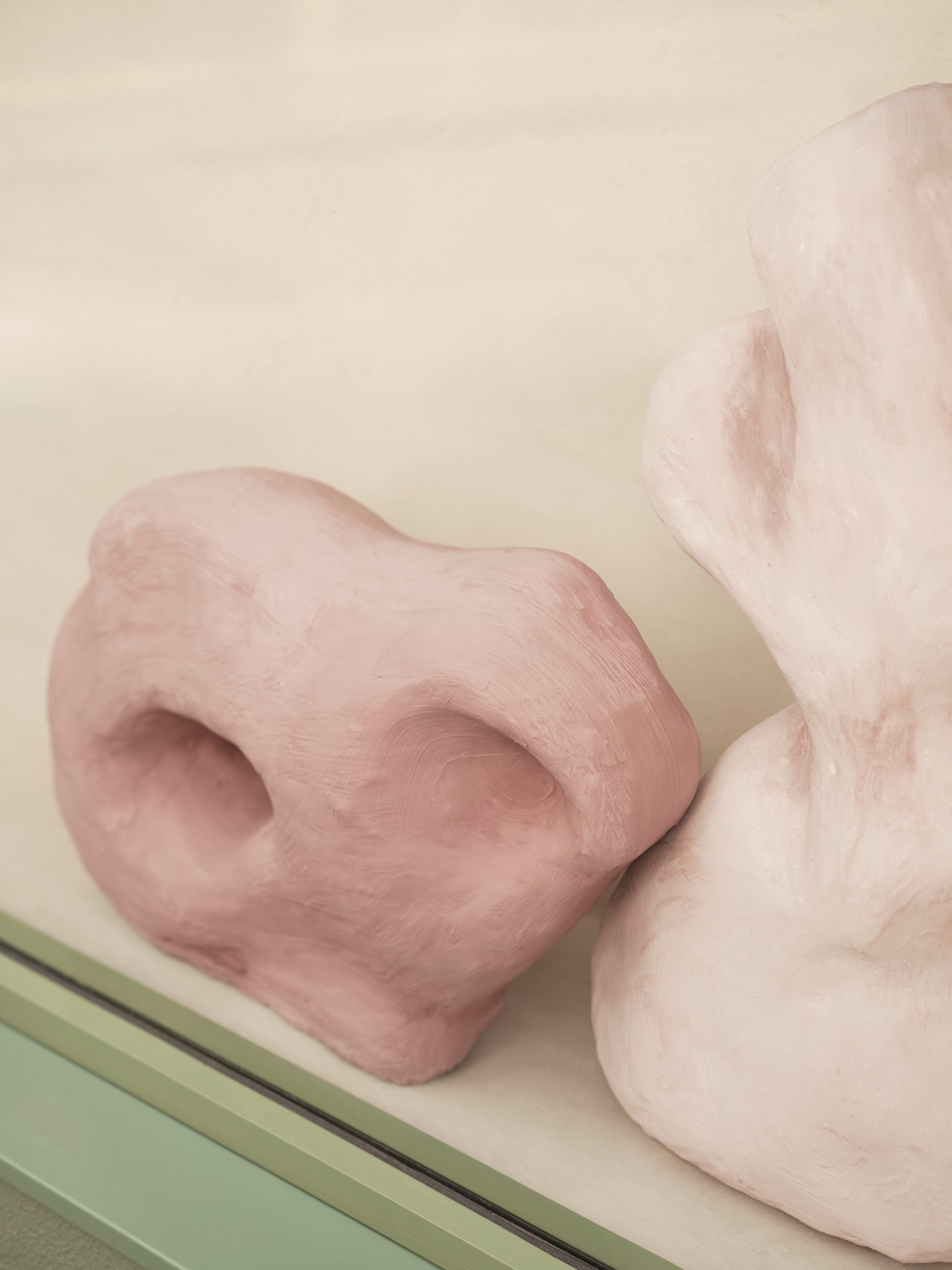
The result is not simply a beautiful dental clinic, but a shift in how healthcare spaces communicate care. By addressing fear at an environmental level, design becomes part of the treatment itself. Patients are calmer, conversations are easier and trust forms more naturally.

As private healthcare increasingly intersects with lifestyle expectations, spaces like Chelsea Dental Clinic suggest a broader future: one in which medical environments support psychological wellbeing as intentionally as physical outcomes. Here, luxury is not about indulgence, but reassurance, proof that precision and comfort no longer have to exist at opposite ends of the clinical spectrum.