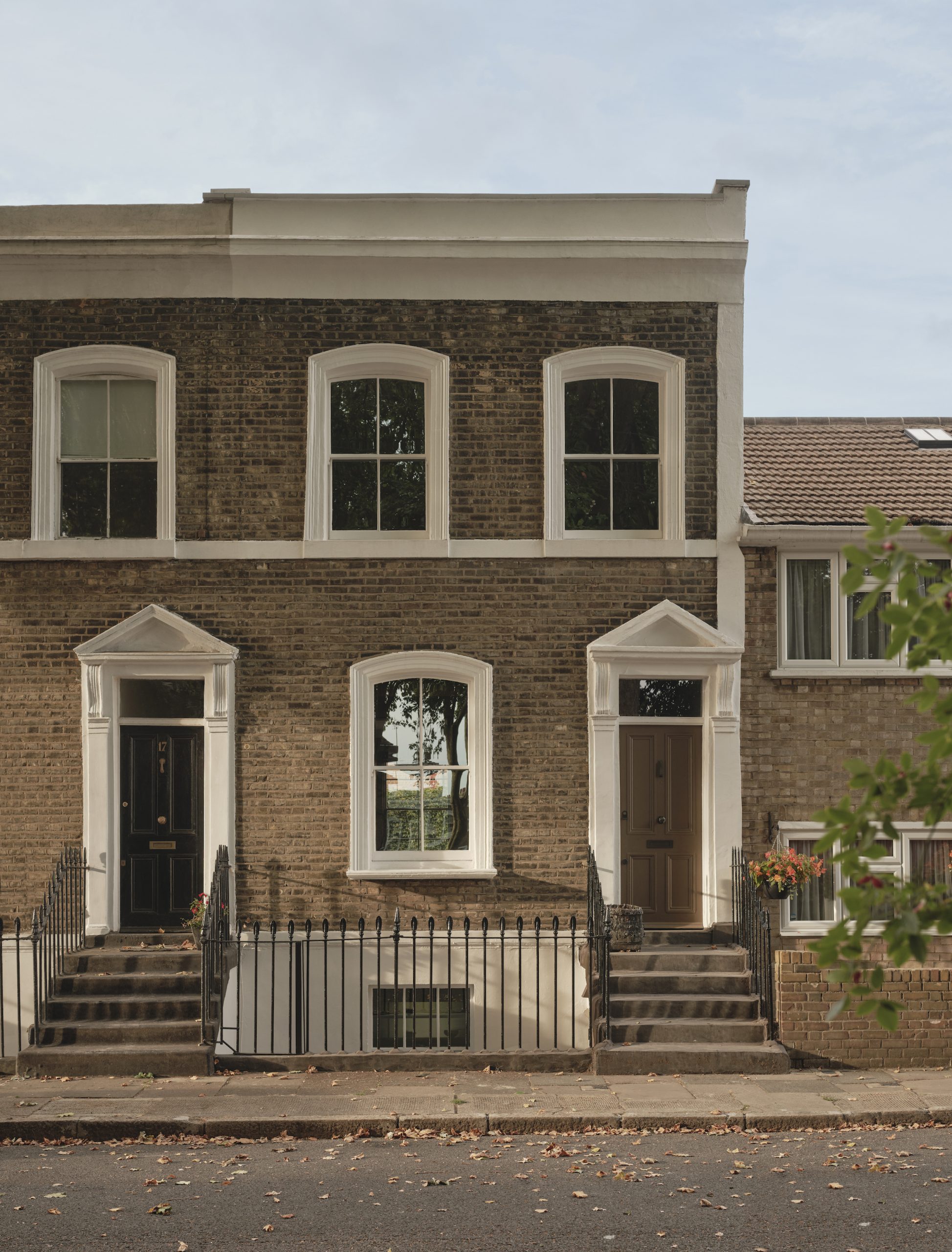
How does a Grade-II Listed Late-Georgian terrace house in a North London Conservation Area find new life as an atmospheric home defined by Modernist and Japanese design principles? Through the exacting re-configuration and design detailing of architecture and interior design practice, Studio Hagen Hall.
The property stands at the end of a terrace overlooking a leafy garden square in Islington, just north of the City. Arranged over three levels, the property suffered from a constrained collection of small, dark rooms and years of neglect. Studio Hagen Hall was briefed by the clients – a couple – to revive the tired property, delivering a forever home perfect for two, featuring dedicated space for the clients’ growing collection of Japanese and self-made ceramics, furniture and artwork.
The clients, who share Studio Hagen Hall’s appreciation for the pragmatism of modernist design, appointed the practice for their ability to deliver highly detailed bespoke interiors and sustainably-led architecture, all influenced by their time spent living and working in Japan. And so this project posed a challenging brief; how could the architects define a modernist and japanese inspired proposal inside a Grade-II Listed Late-Georgian property?
In answer, Studio Hagen Hall worked on first improving the bones of the home – peeling back layers of the house to address inherent issues with the building fabric and structure, and bring the property up to current standards. In challenge to the brief, the architecture and interiors studio advised on building less and building better, opting not to extend beyond the home’s original footprint in order to preserve and enhance valuable outdoor space.
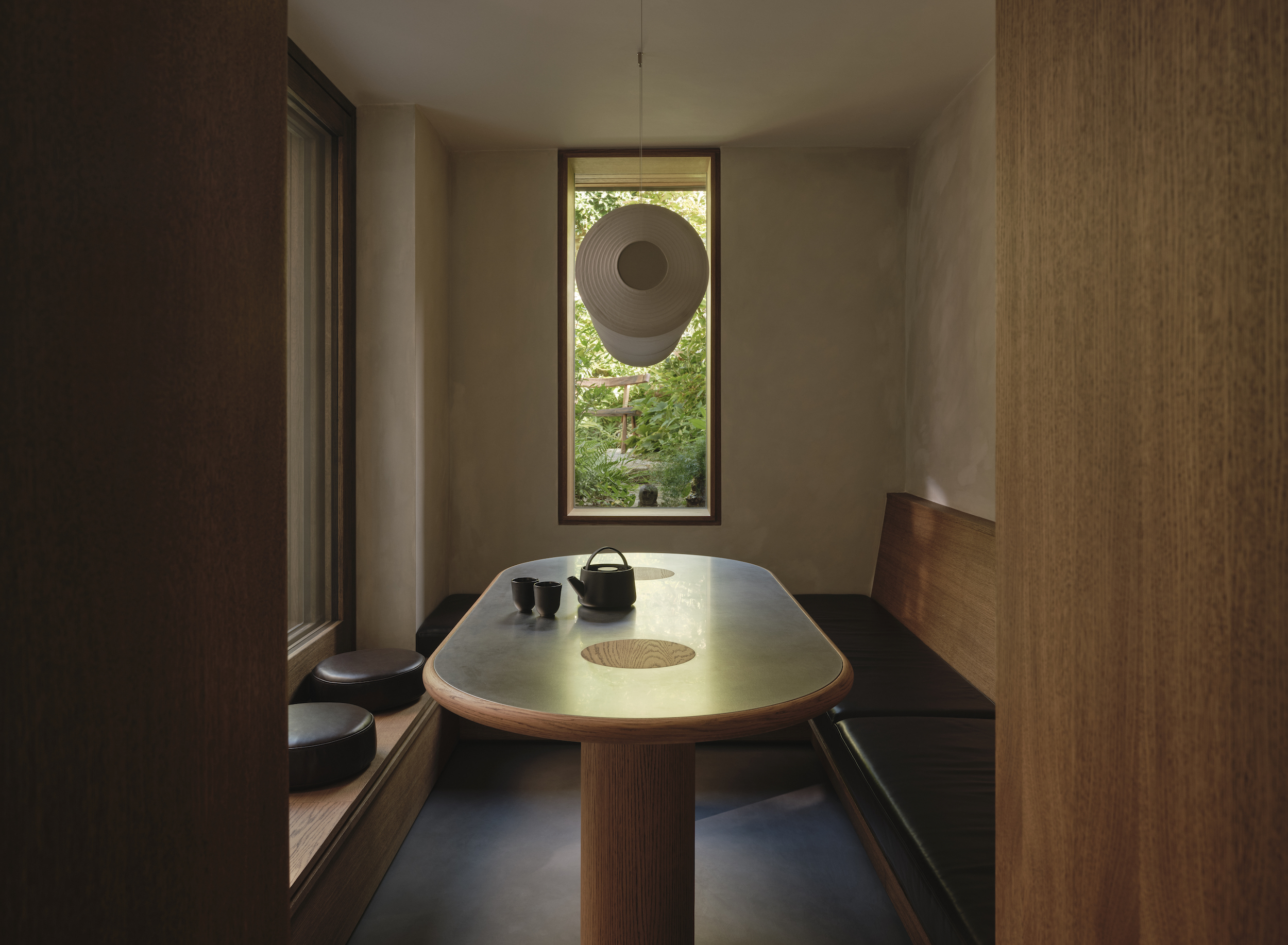
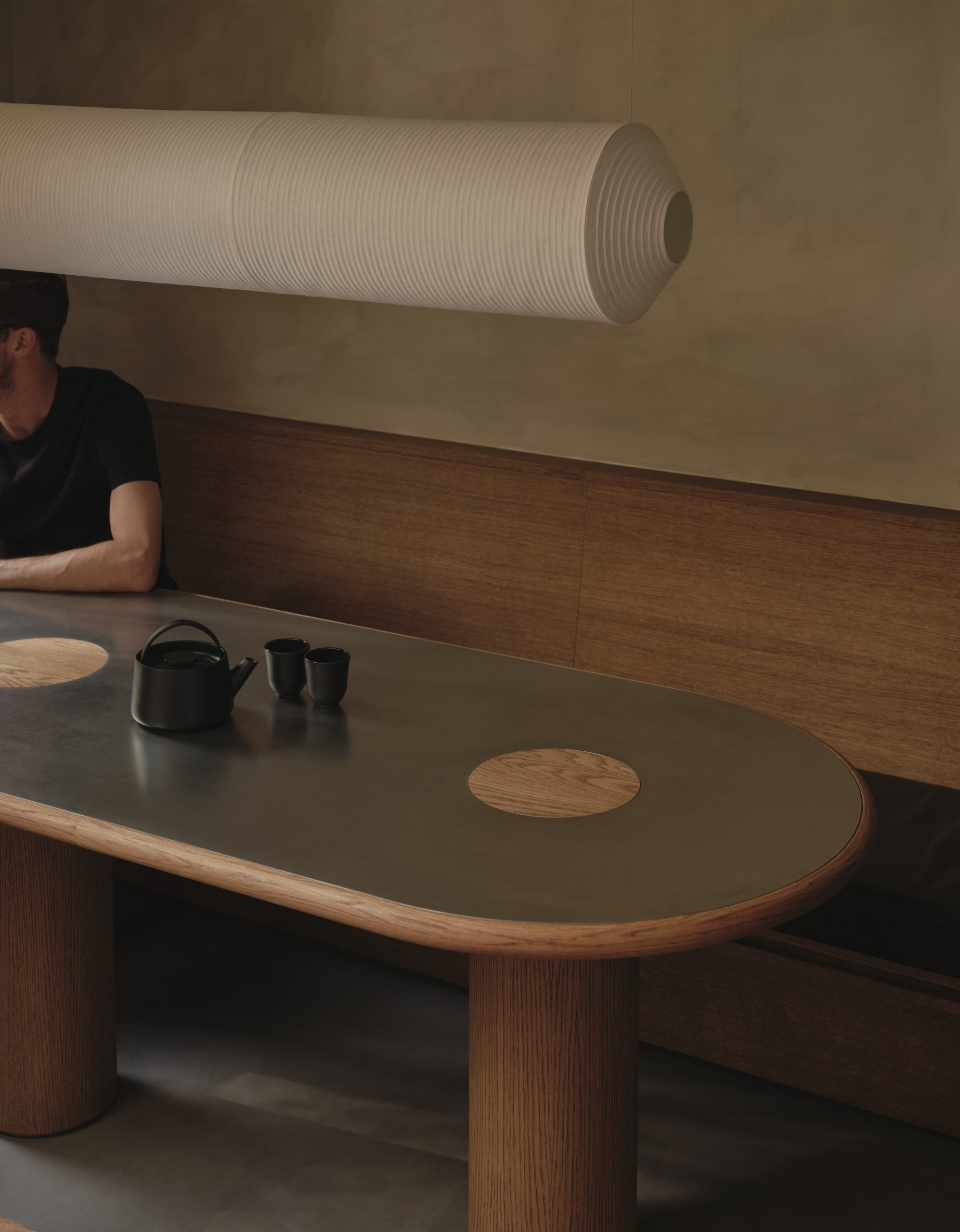
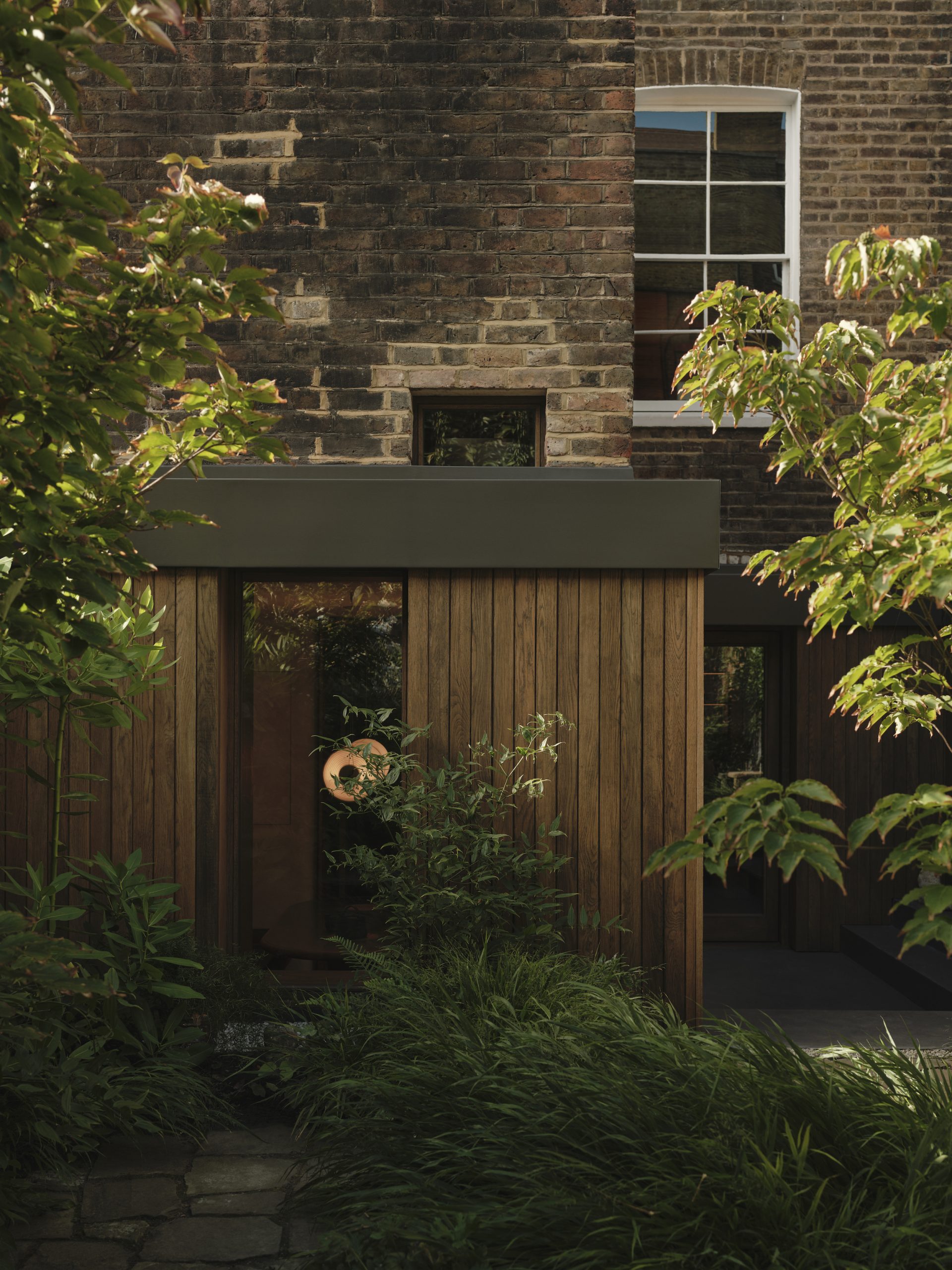
As a result, the existing historical outrigger was partially re-built to convert a previously low-ceilinged utility room into a sunken dining room with new and enlarged openings out onto the garden and courtyard, itself lowered to create level access from the kitchen and dining room.
The entire layout of the home has been reconfigured, favouring a more connected and multi-use arrangement. The property previously offered three bedrooms, but with no children or guests to host regularly, the plan has been adapted for the couple’s leisure time and artistic pursuits. Most notably, the primary bedroom (previously on the first floor) was relocated to the upper-ground floor, with the main living space taking its place to make the most of the light and views over the square.
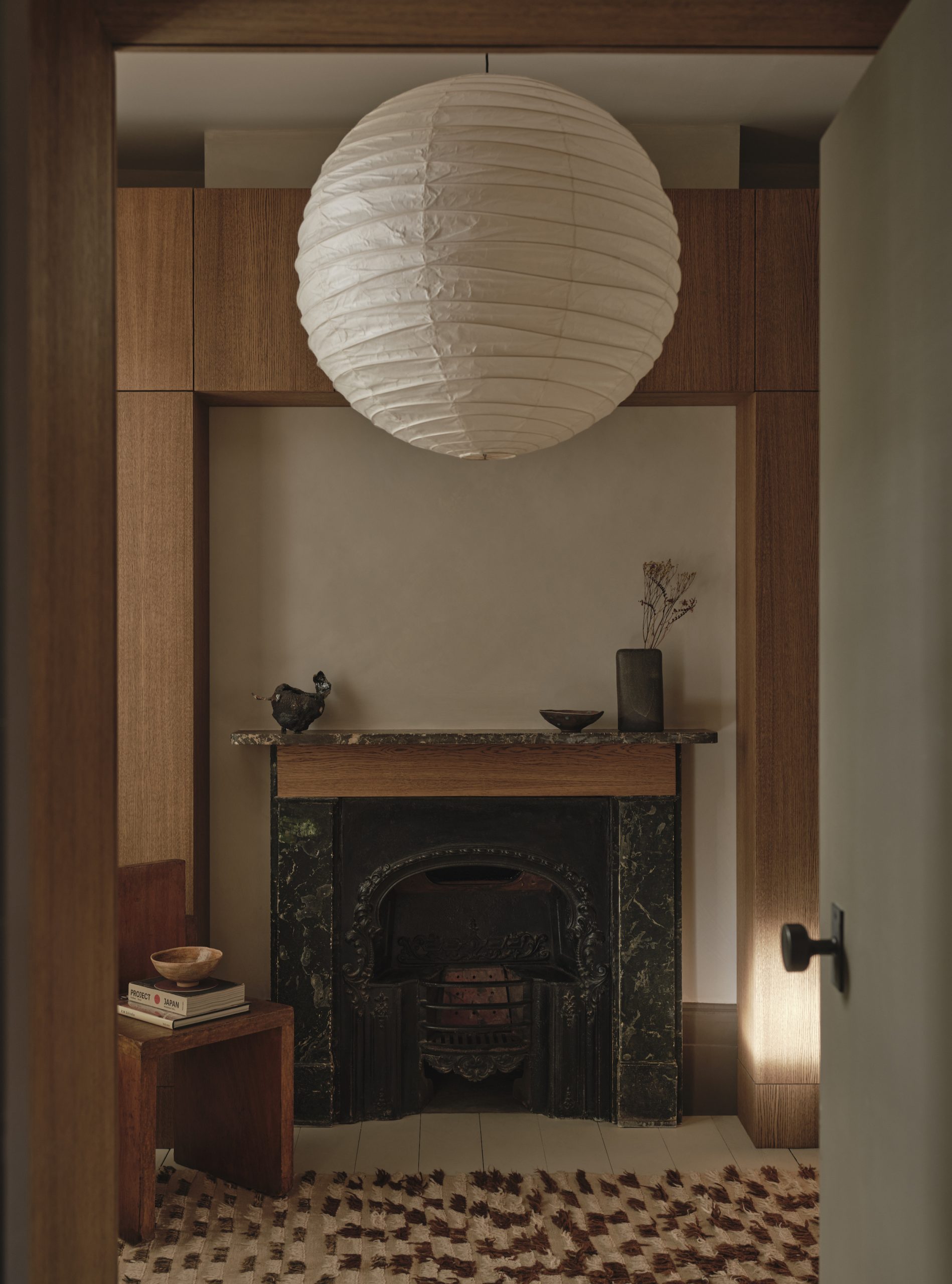
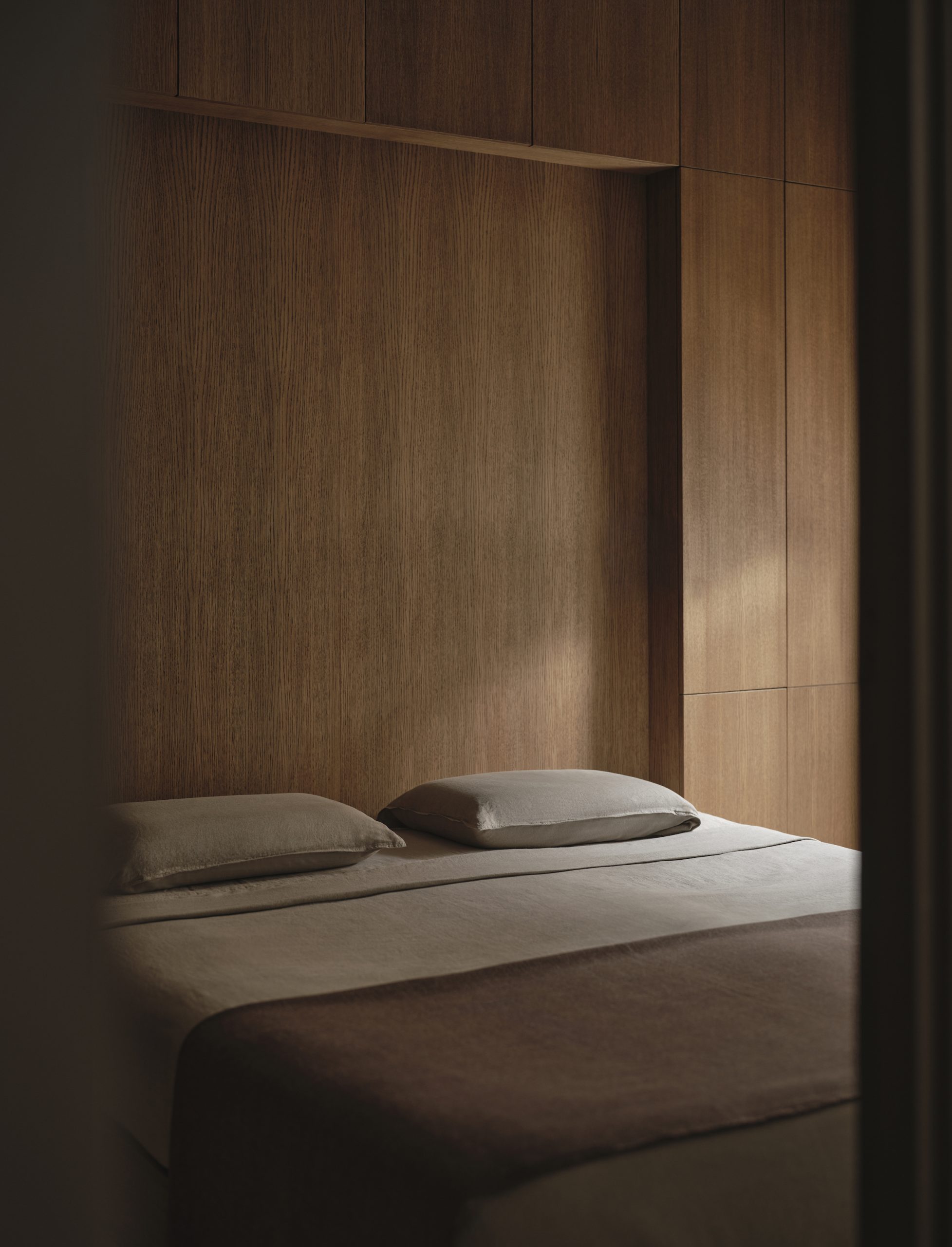
On entry, visitors are greeted by a hallway complete with a Genkan 玄関 (a traditional Japanese entryway step for the removal and storage of shoes to avoid bringing dirt into the house), where slippers await guests. A new primary bedroom suite, consisting of a dressing room and bedroom separated by a floor-to-ceiling height sliding panel, occupies the former lounge. Custom in-built joinery in smoked oak, designed by Studio Hagen Hall and fabricated by TG + Co. (a long-time collaborator of the studio), sits lightly inside the historic building fabric, enveloping the room on all sides.
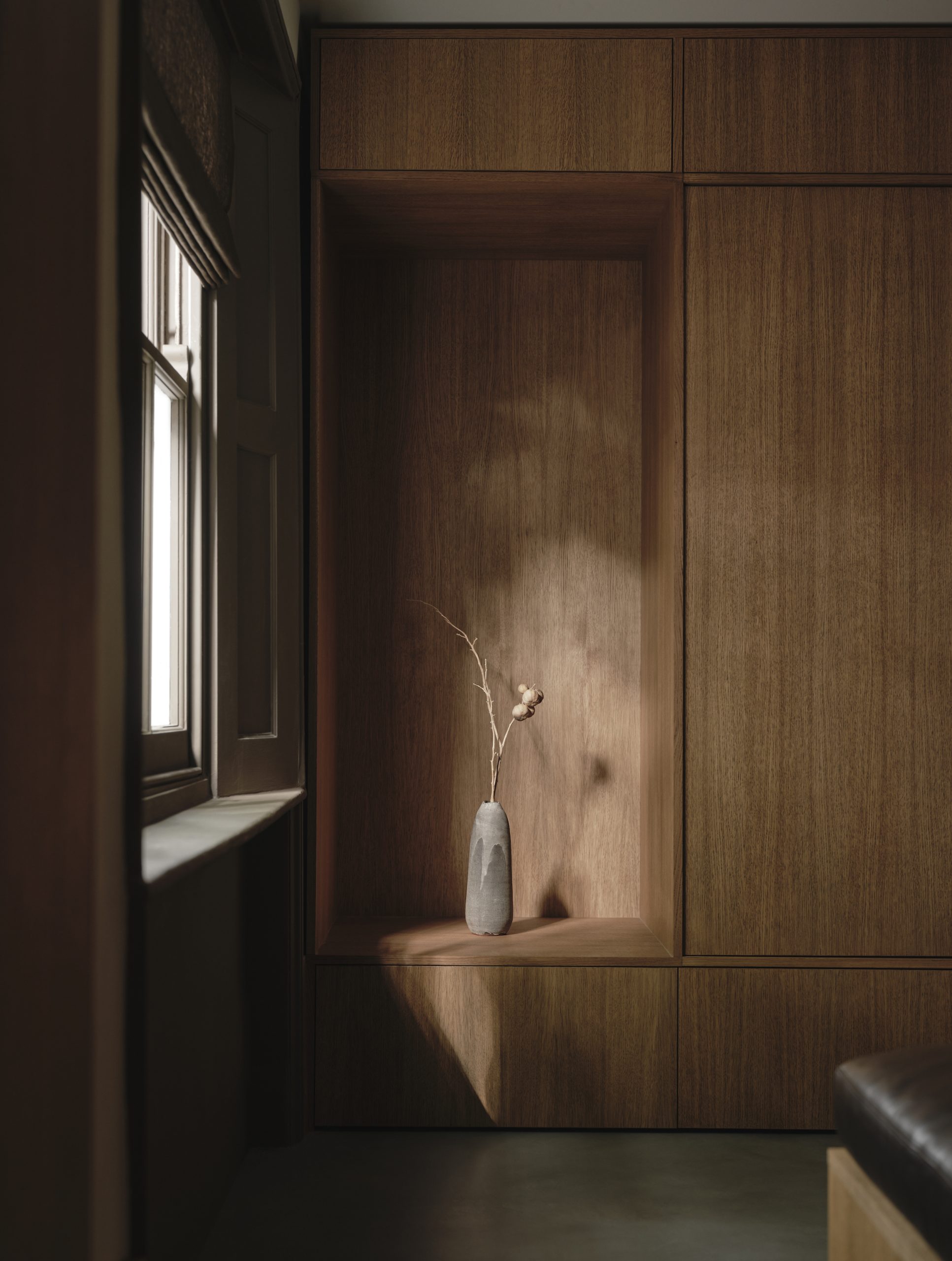
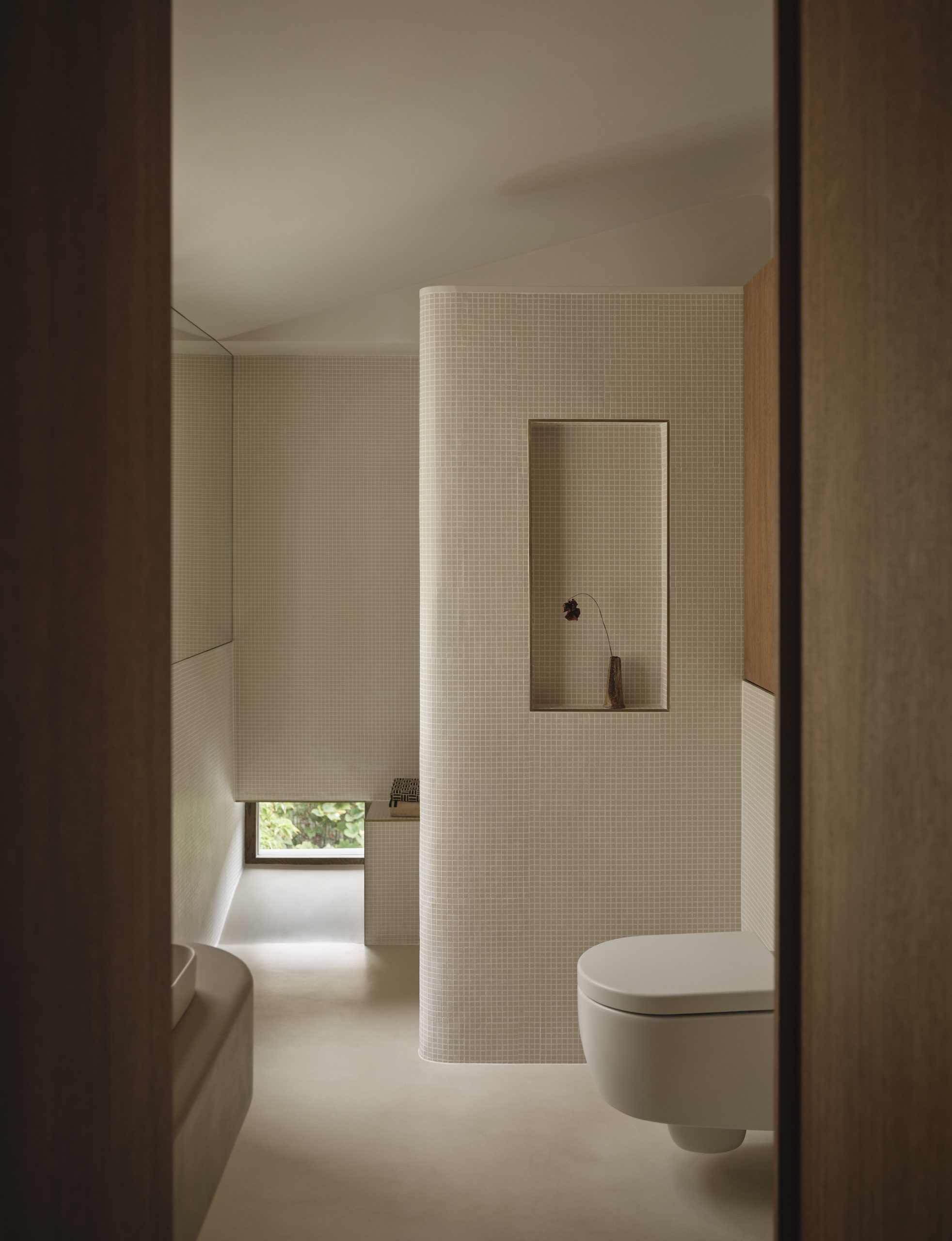
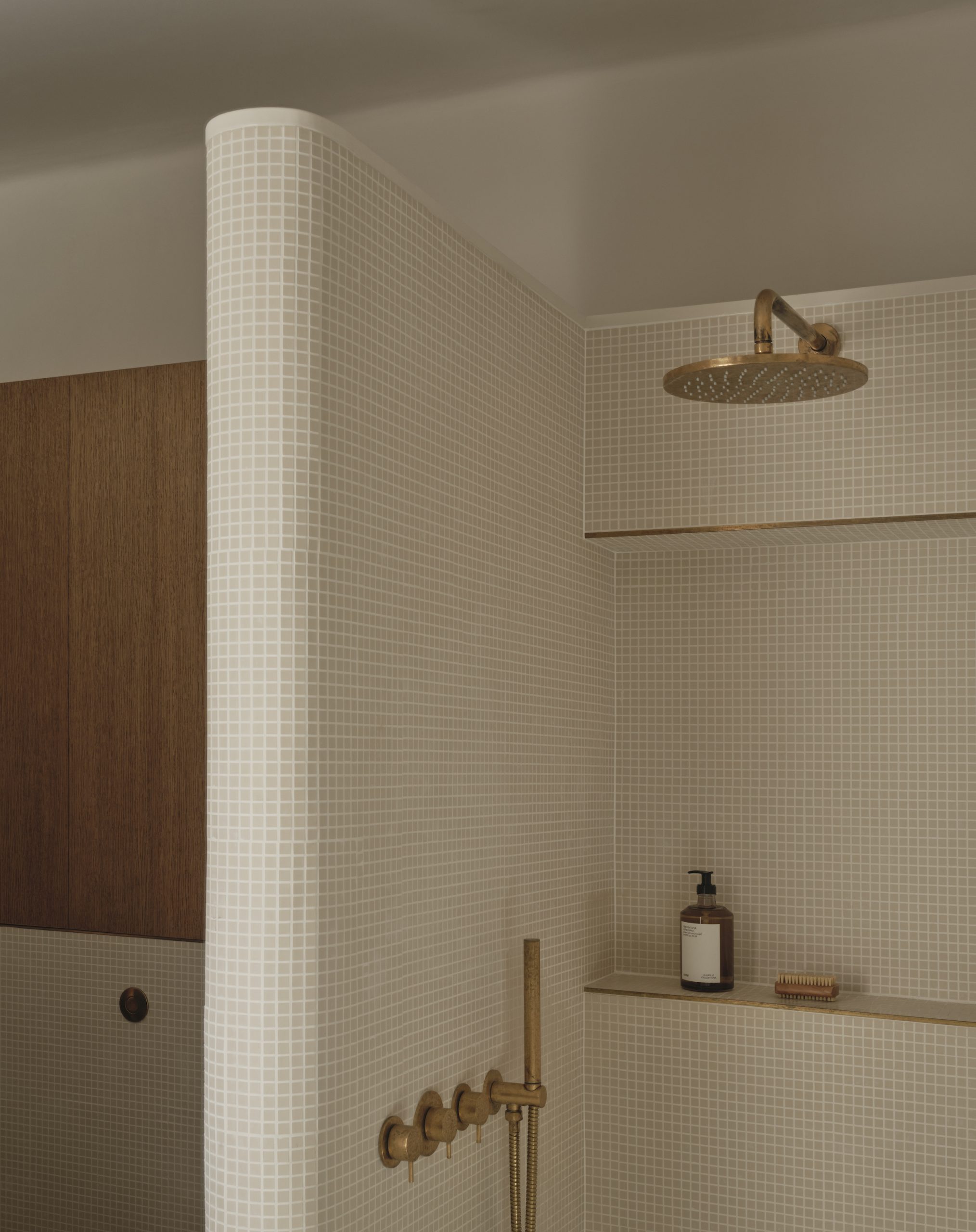
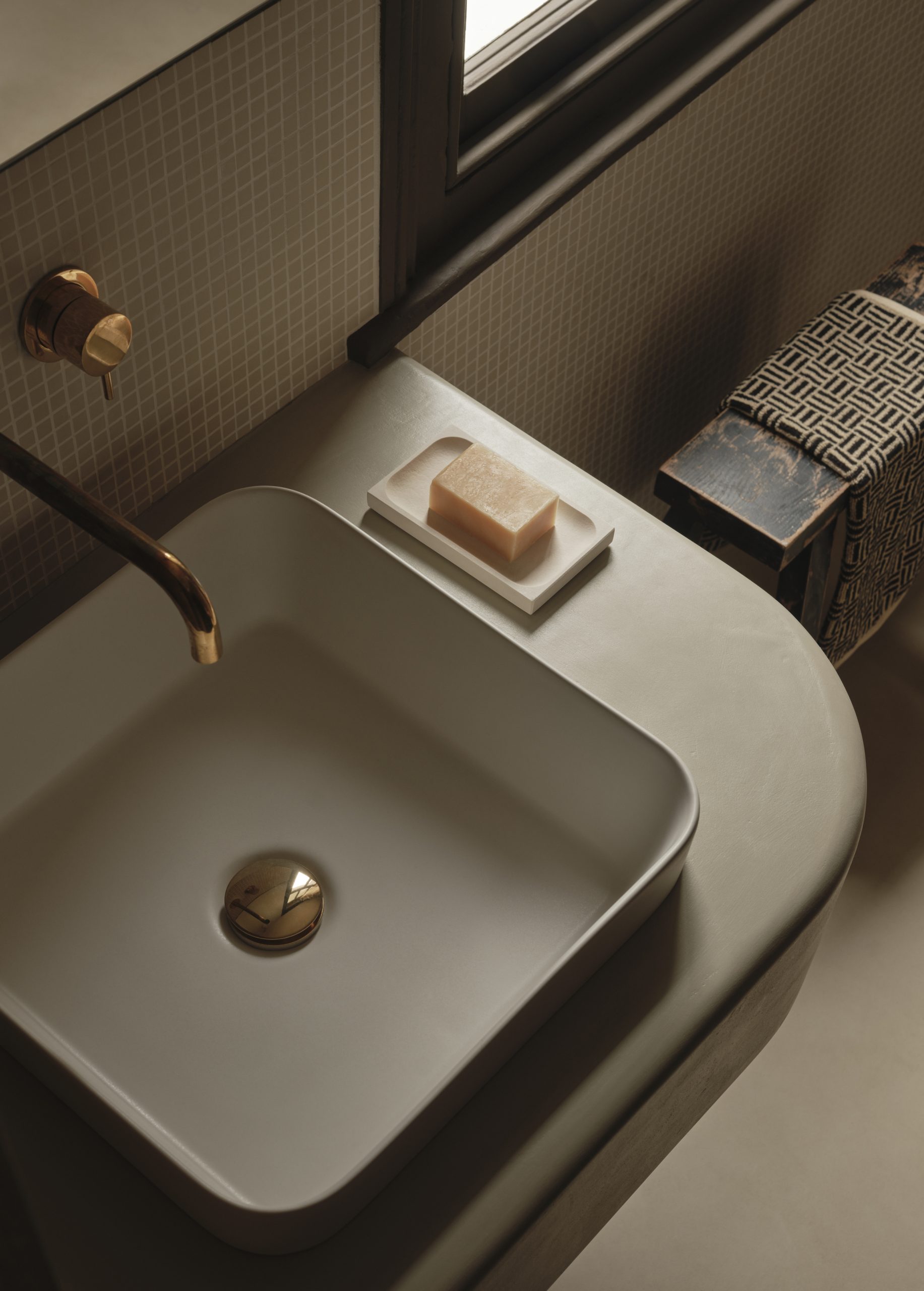
Original elements of the house, such as the skirting boards, architraves and previously covered-up fireplace, were lightly treated rather than fully restored to acknowledge the different design eras. Following a small step change on the split level plan, visitors are drawn through the hall toward a modest bathroom of white mosaic tiles, microcement, oak, unlacquered brass hardware and a curved shower wall. A small window at floor level, visible all the way from the entrance hall, creates a new visual connection through the bathroom to the garden beyond.
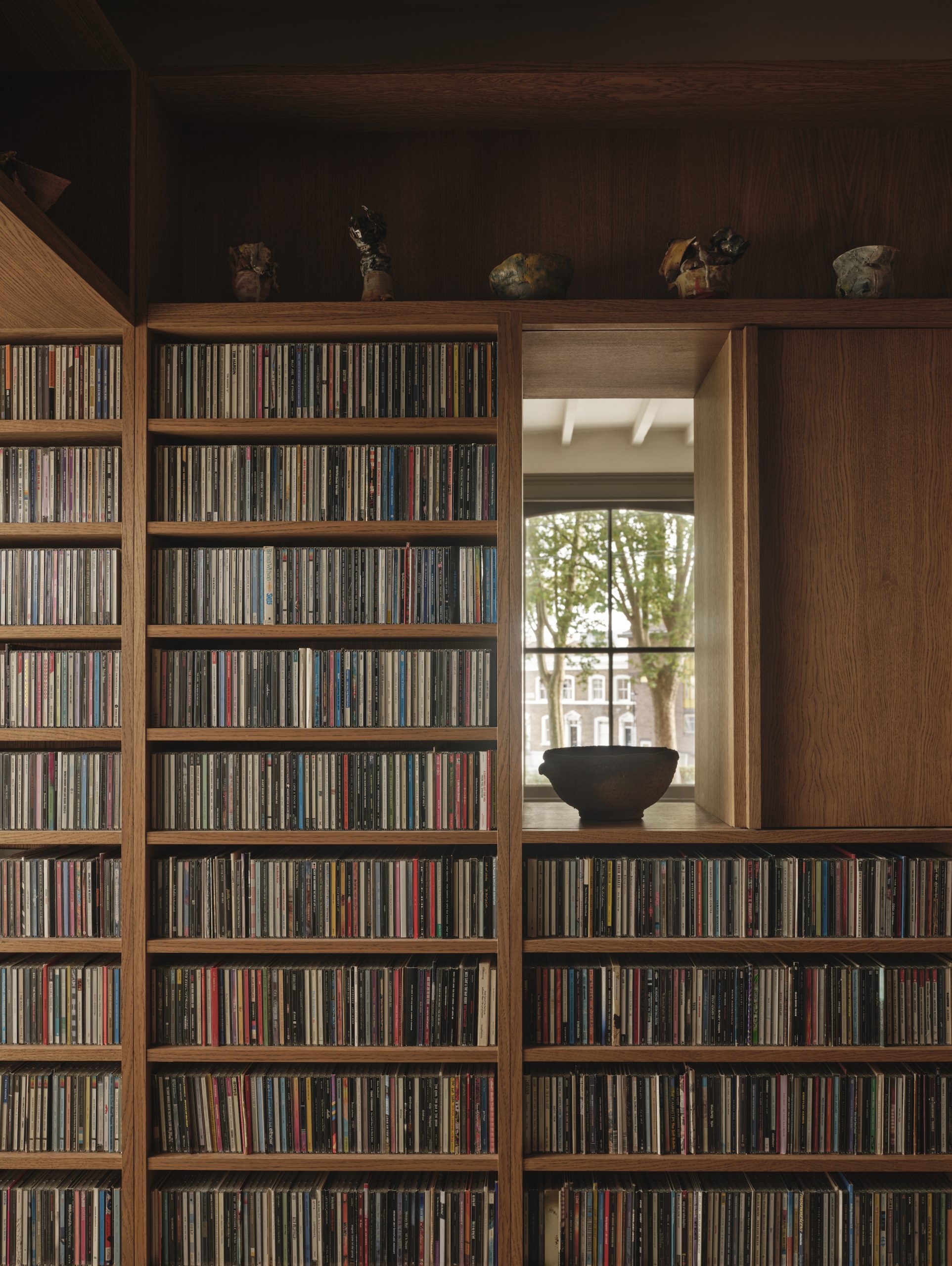
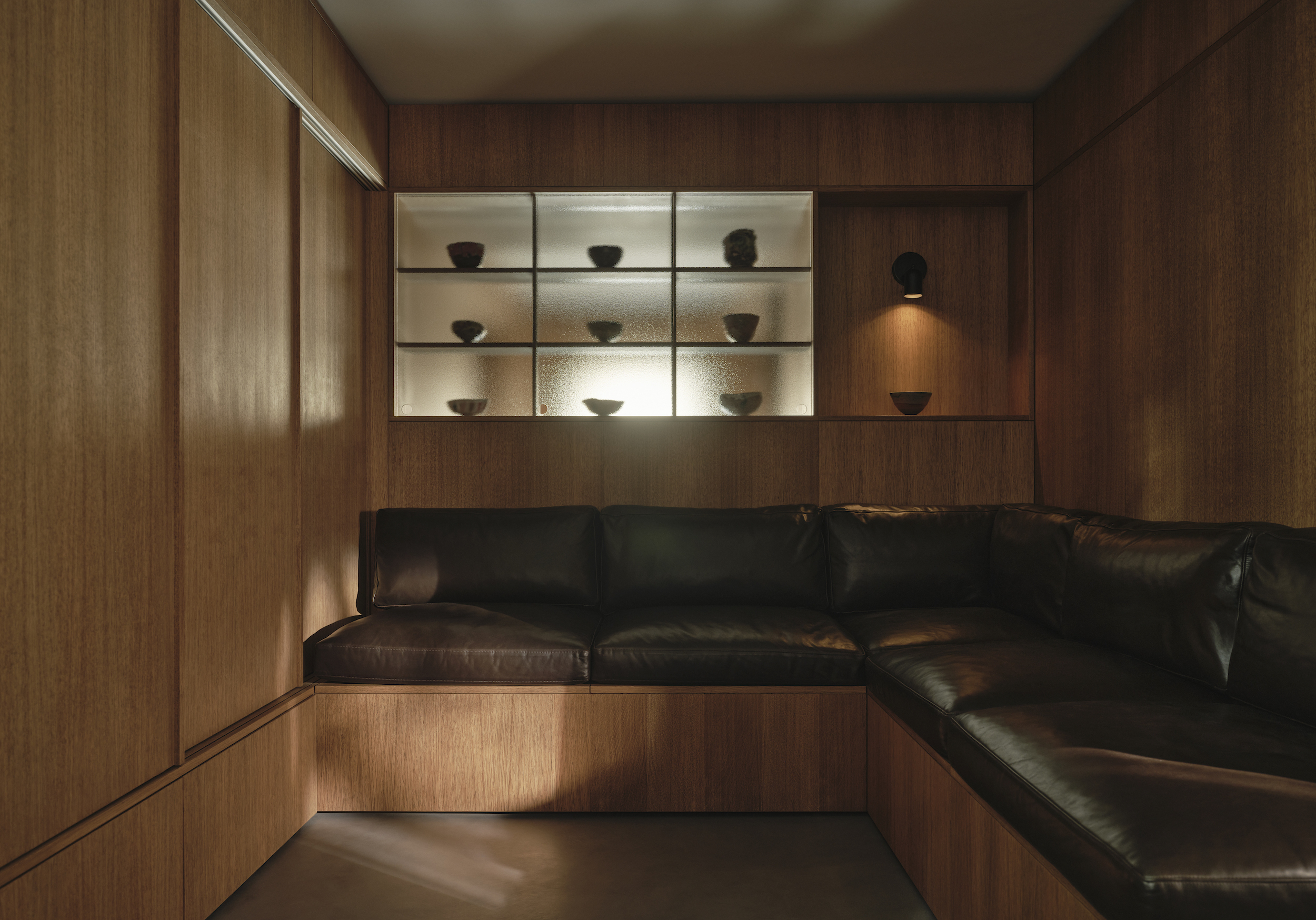
On the lower ground floor is the snug. A Tokonoma 床の間 (a recessed niche designed specifically for displaying flower arrangements and art) welcomes you on entering the space. The room is again lined in joinery, with inbuilt leather single-bed sized sofas on two sides, creating a space to relax and enjoy the concealed TV, or convert into an extra sleeping space for guests. Integrated storage within the built-in sofa provides room for bedding and blankets. Moveable textured glass panels framed by a grid of shelves (evoking traditional Japanese Shoji 障子 screens) filter light between the snug and kitchen, offering display space for the clients’ ceramics, and a way for conservation to flow between the two rooms.
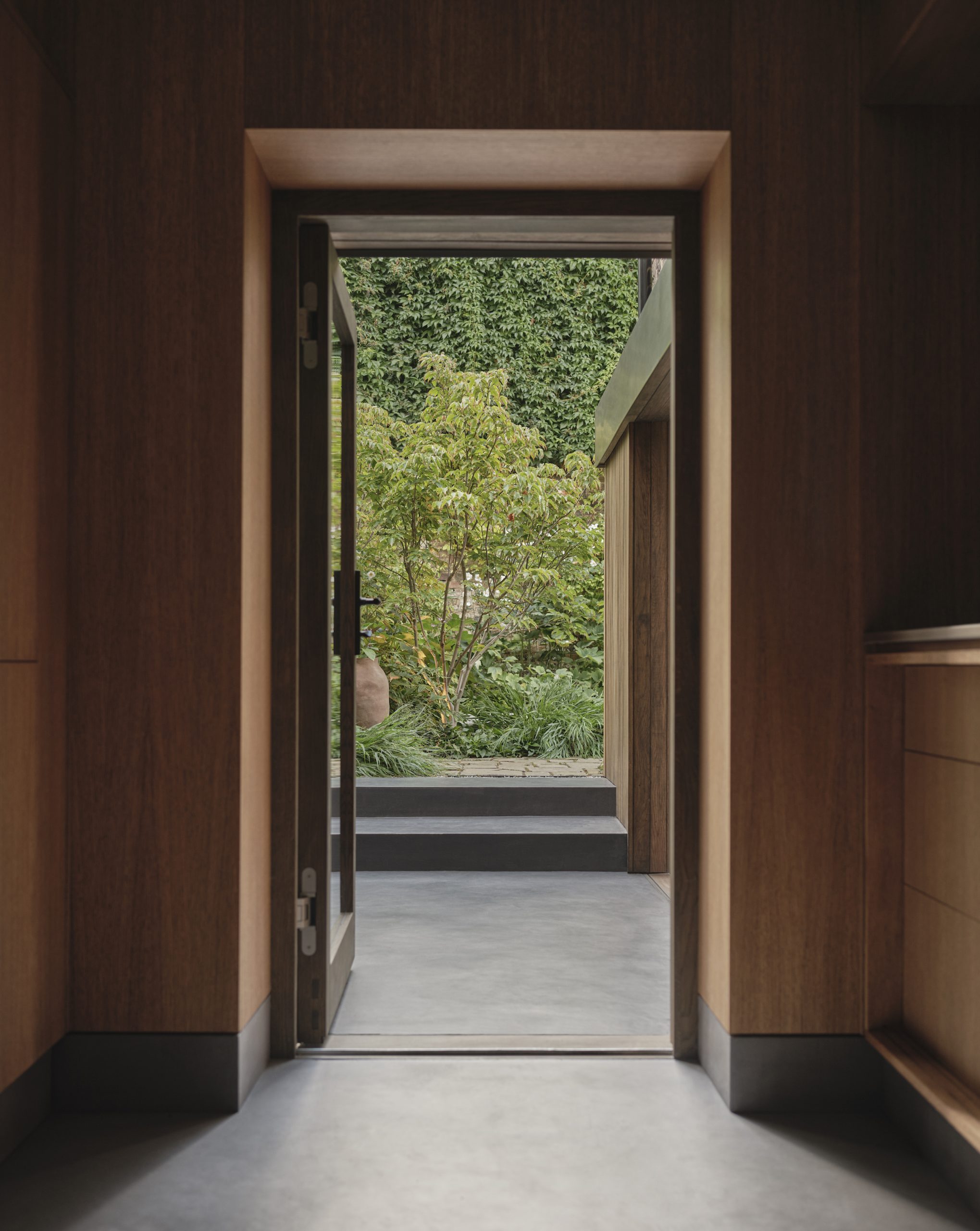
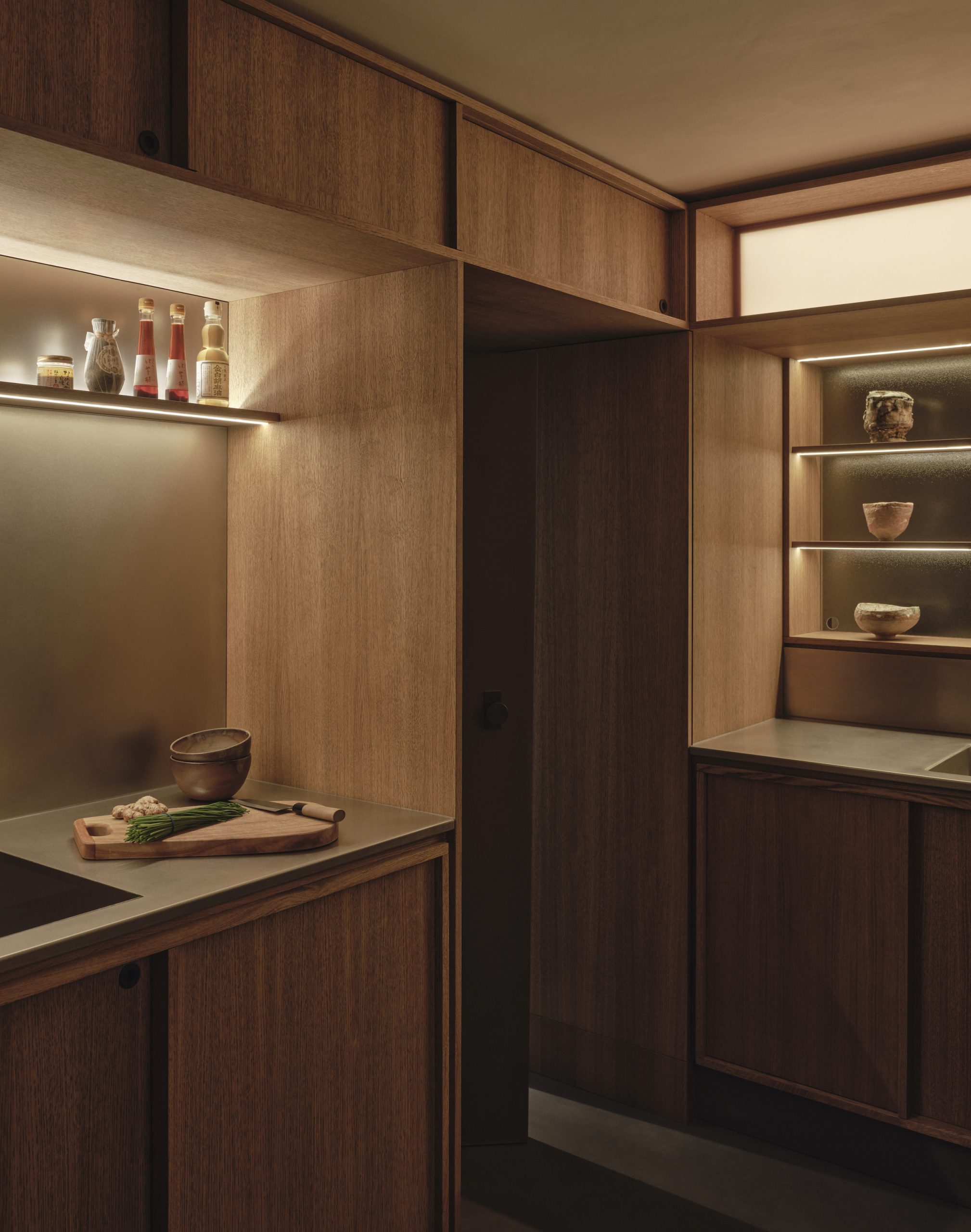
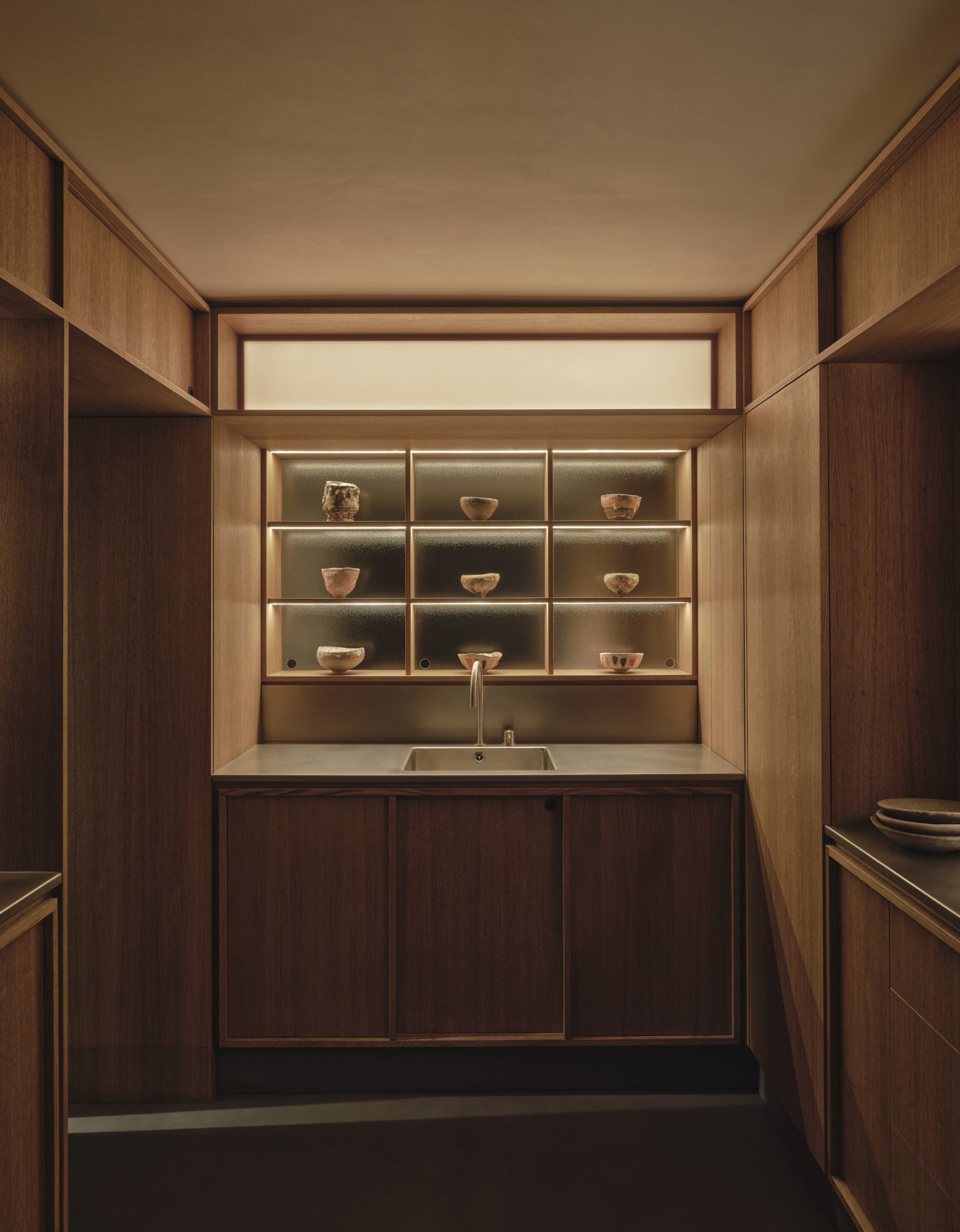
In the kitchen (a bespoke design by Studio Hagen Hall) every inch of space has been designated either for utility or atmospherically lit display areas for a growing ceramics collection. Nestled inside the confines of the original kitchen, the newly configured space acts as a highly functional piece of furniture that leads seamlessly out into the lower garden courtyard – now a “room” in its own right – with the timber and microcement floor finishes tying the two together.
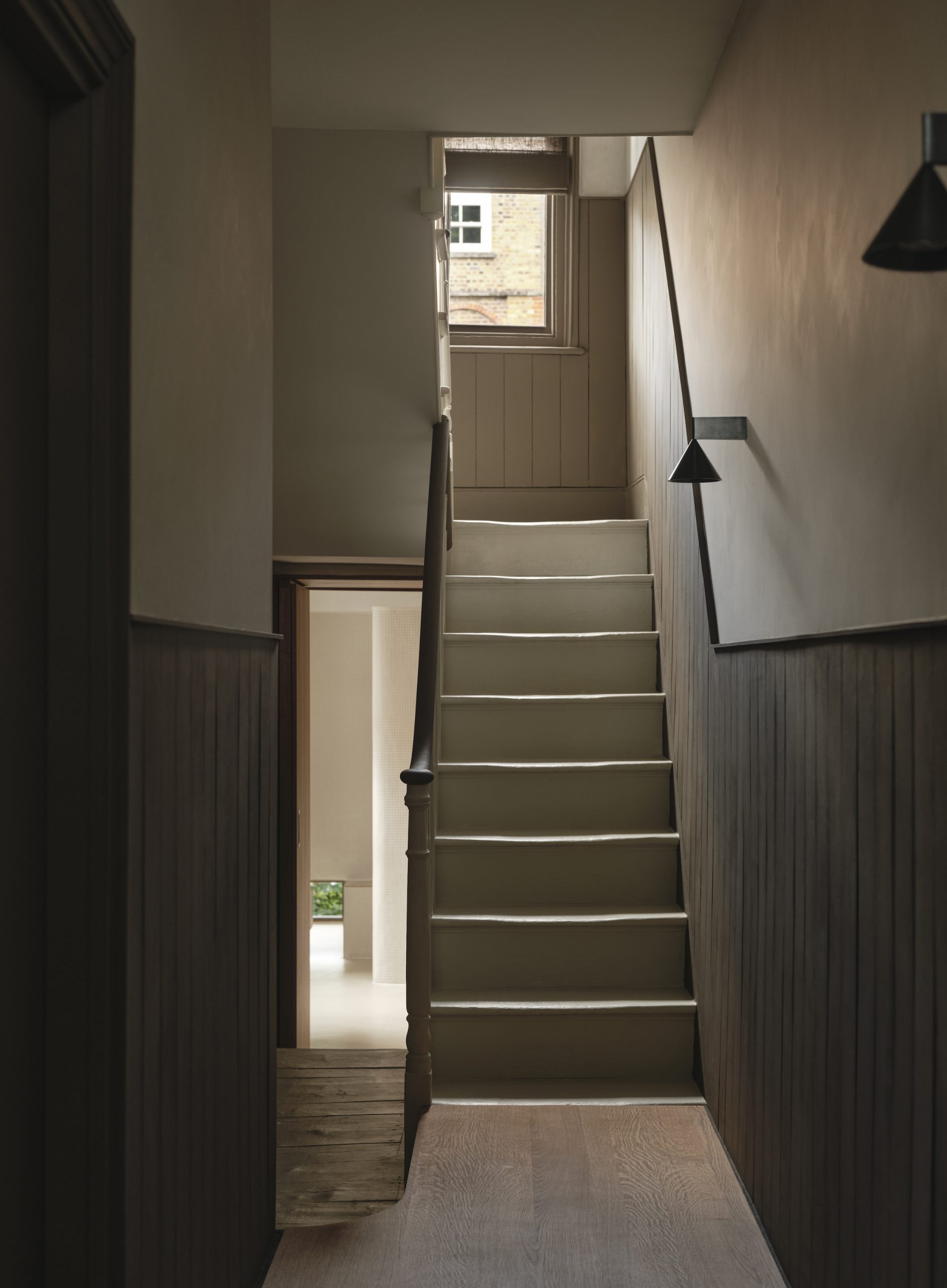
A custom designed glass cabinet has been inset under the original and restored Listed staircase, to offer additional space for specific ceramic pieces as collected and crafted by the clients. Visitors pass this display en route to the dining room. The floor of the original historic outrigger was lowered to create a sunken dining area, designed to place diners within the level of the garden. New openings spanning between the integrated bench seating and ceiling give a feeling of dining among the foliage. An oak dining table designed by Studio Hagen Hall – one of the first pieces from a new collection of furniture launching in 2026 – occupies the heart of the dining area, topped in sanded stainless steel.
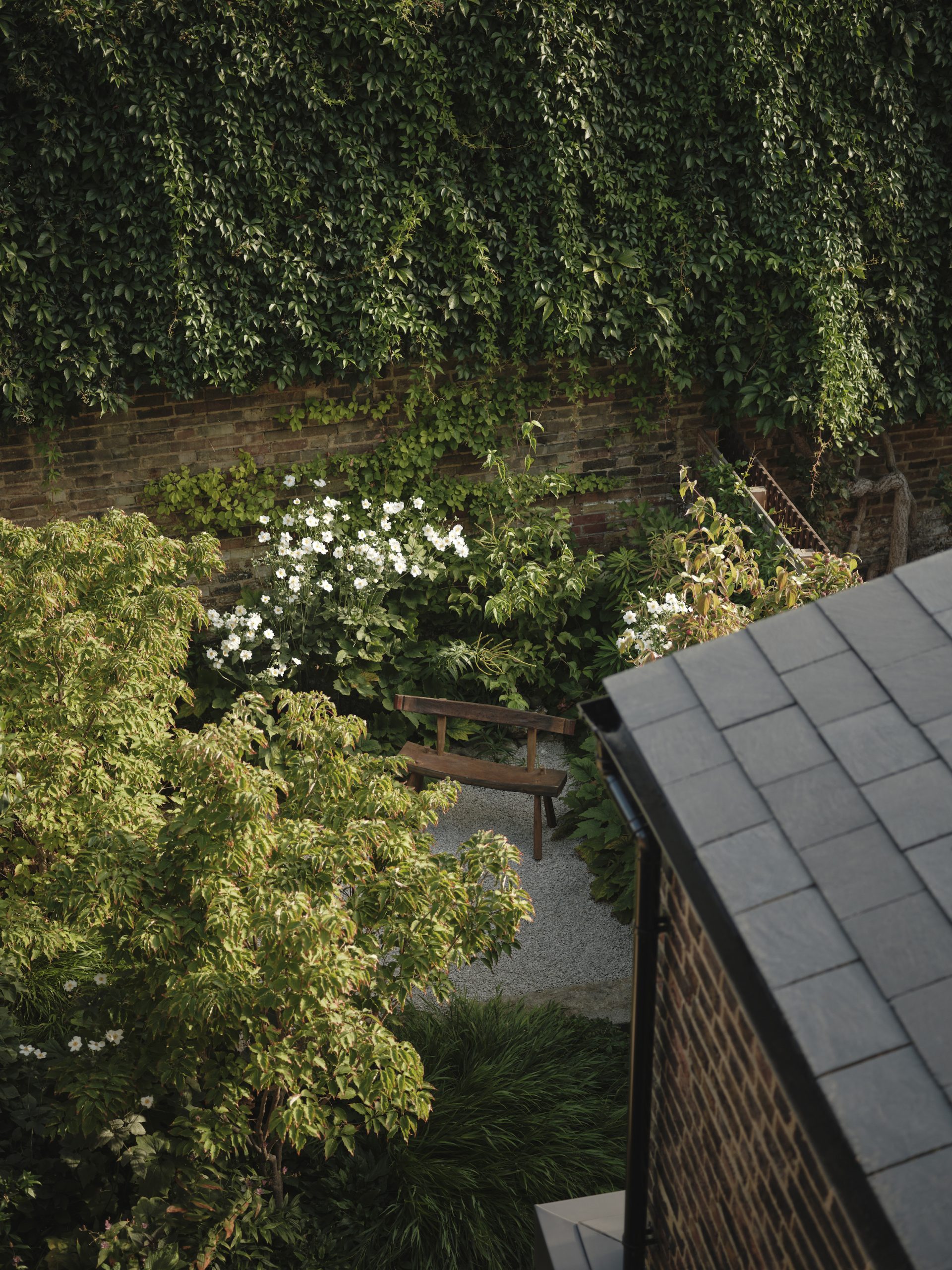
The courtyard “room” and original outrigger walls are wrapped in oak timber paneling to match the internal joinery, and capped with a zinc band. The new cladding evokes the feel of a new extension without having constructed one, and also serves to conceal waste and gutter pipes, which would otherwise intrude on the space. Microcement flooring flows out from the kitchen and up the steps into the garden proper – previously concreted over, it has been thoughtfully designed by Charlie Hawkes to work in harmony with the house.
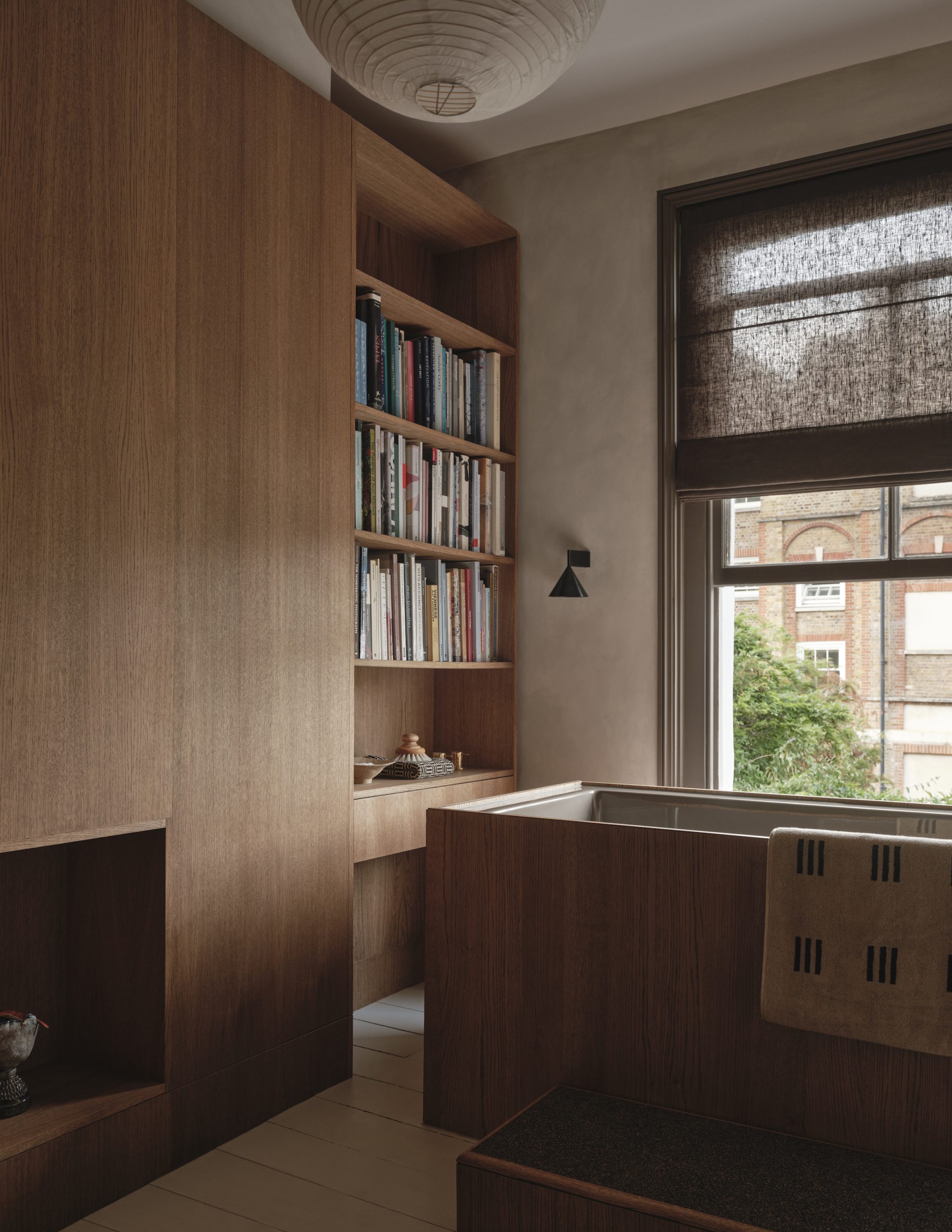
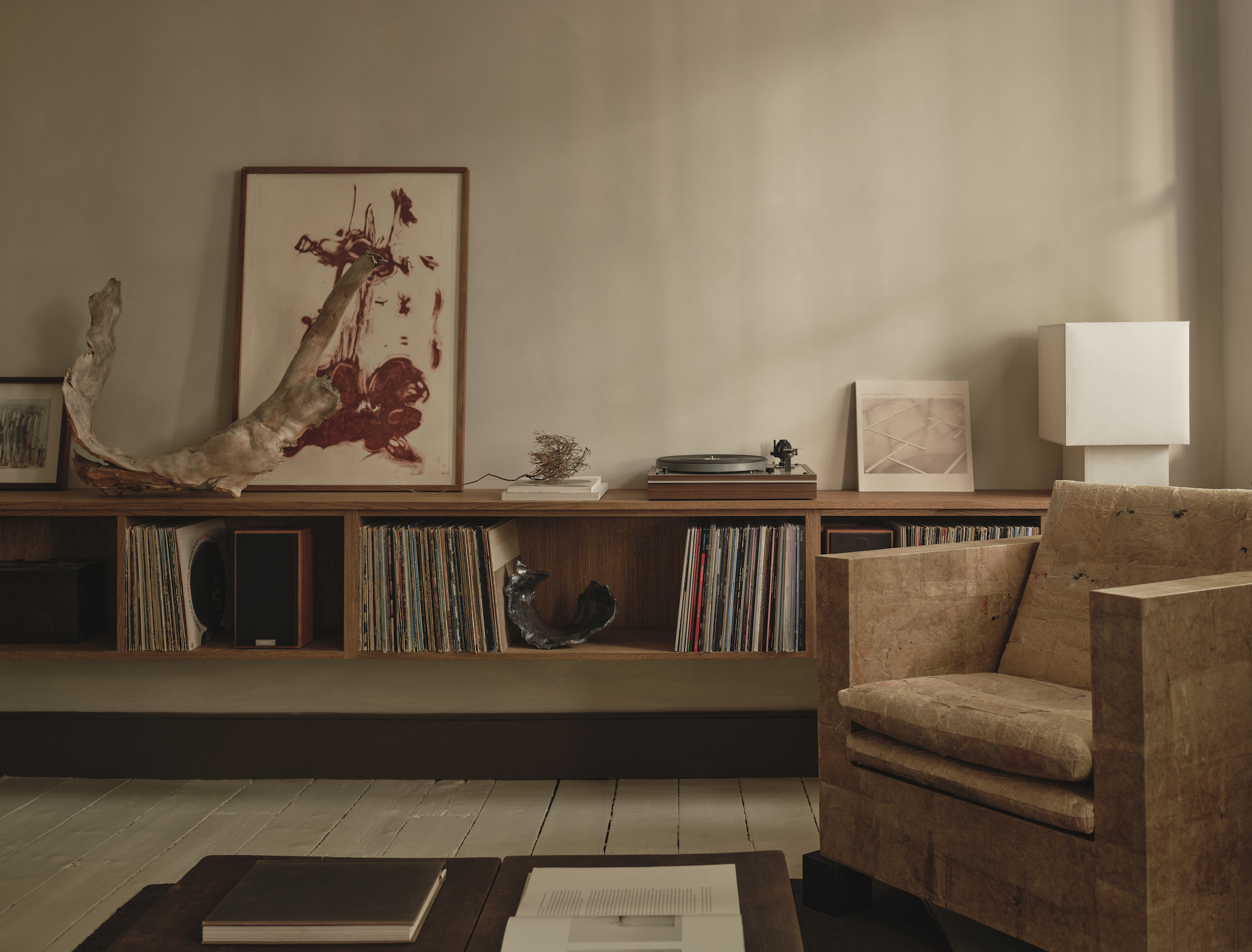
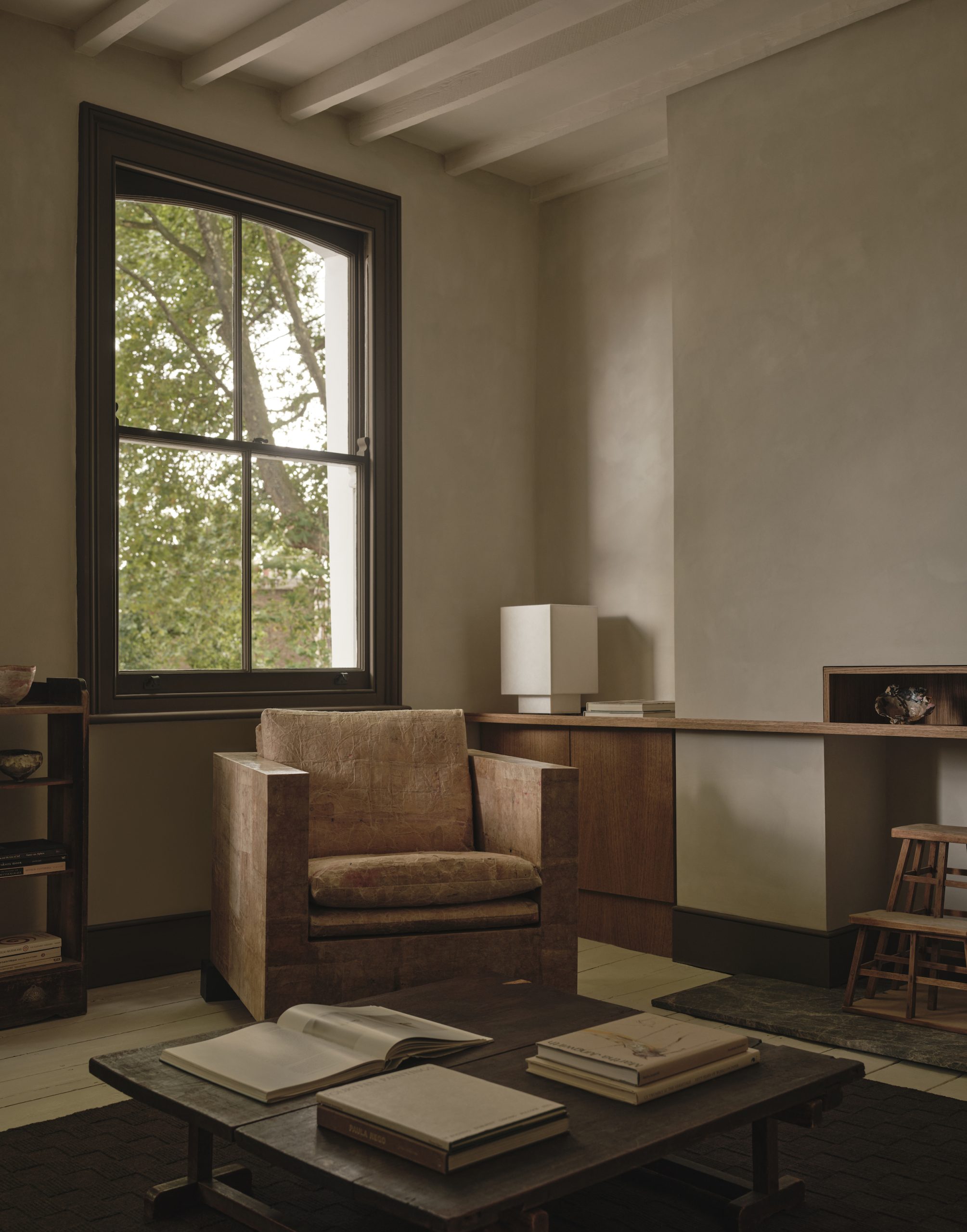
Upstairs on the top floor is the main living space, previously the primary bedroom and now nicknamed the ‘salon’. Spanning the front width of the home, and making the most of the southern light, views over the treeline and square outside, the salon is complete with armchairs by David Horan and antique Japanese furniture collected by the owner, as well as in-built shelving and storage for art.
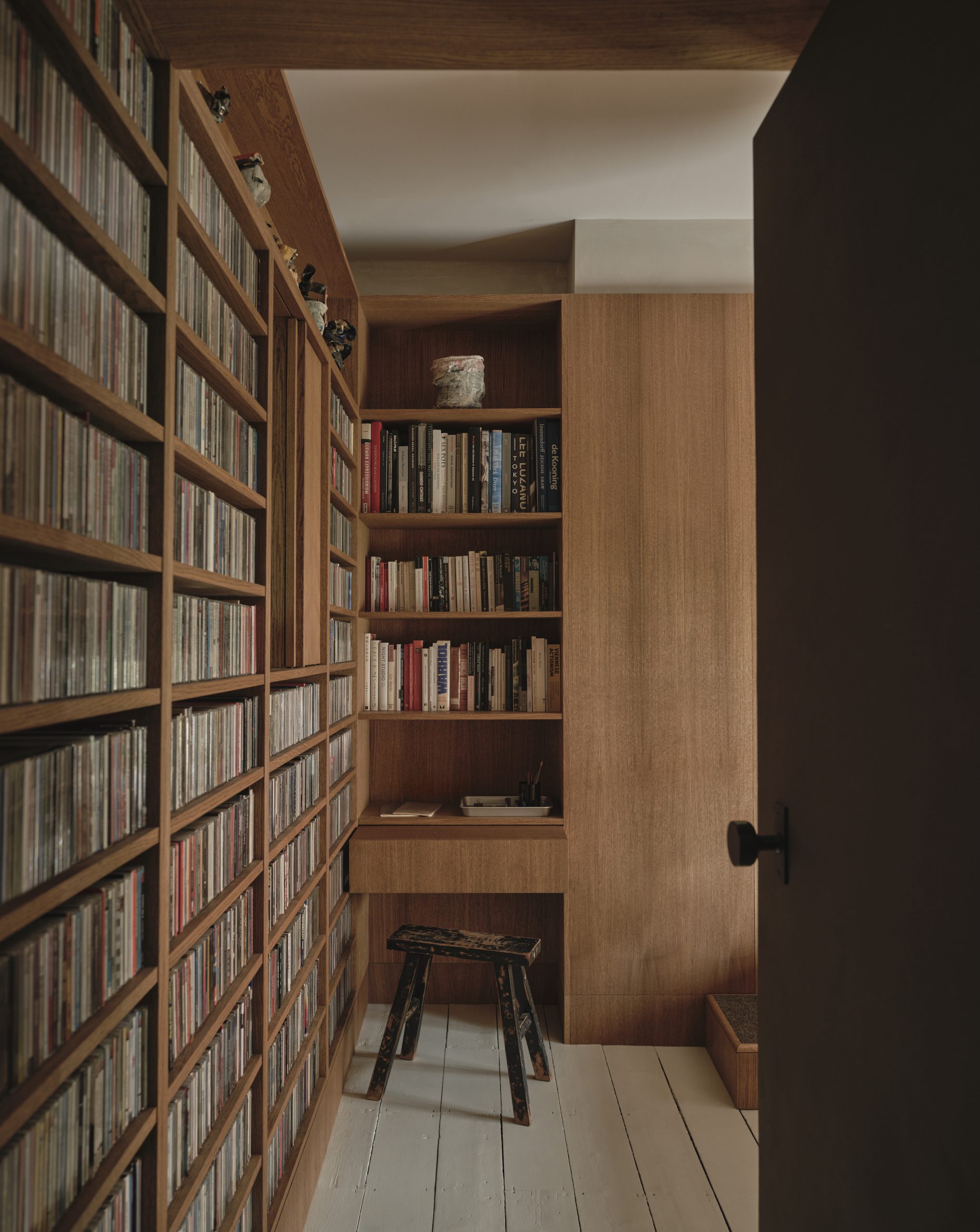
A small feature-lit niche echoes apertures on the lower ground floor, which is openable via a sliding panel in the next door room. This internal window connects the two spaces and allows views between the front and back of the house – when closed it provides privacy for soaking in the freestanding oak clad bath overlooking the rear garden. As well as providing a calm space for bathing at the top of the house, this small room packs in a multitude of functions: as an art studio (a large sliding unit offers storage for materials and houses a retractable worktable), a home study, a guest room (on futons stored in joinery) and housing for the owner’s considerable CD collection in a specifically designed storage wall.
Heion House is defined by a well-balanced tension between light and dark. Where a typical brief might be to open the house up as much as possible, Studio Hagen Hall has defined an interior of atmospheric, interconnected spaces that communicate with each other through apertures and moveable openings, paired with a restrained, singular material palette throughout – materials that will develop their own patina over time.
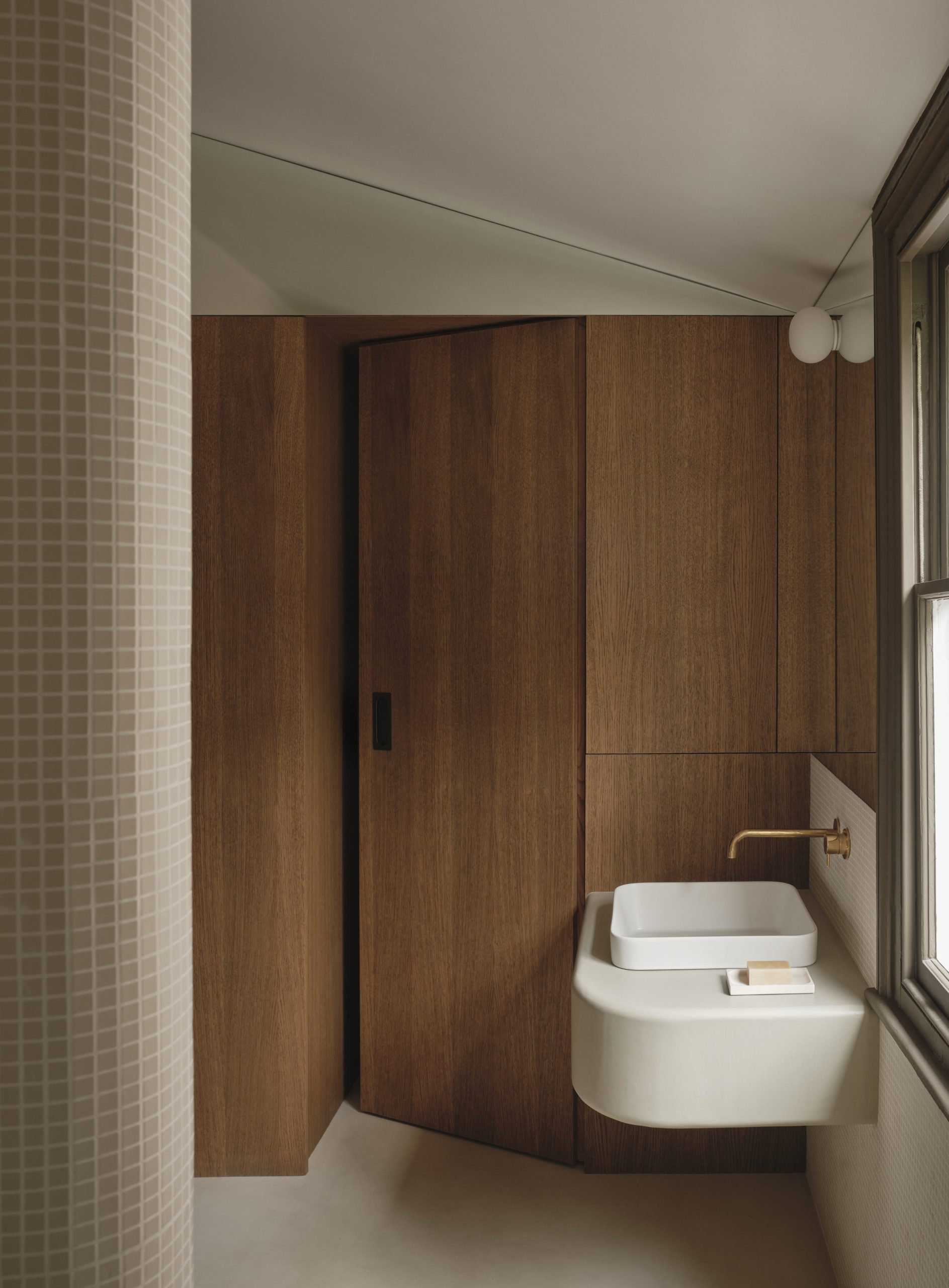
Studio Hagen Hall has integrated joinery strategically throughout, using timber and glass insertions to redefine the interiors. Although these interventions appear permanent, they could be wholly removed so that the original historic Late-Georgian structure and detailing remain untouched (albeit improved and conserved).
Despite being Grade II Listed, Studio Hagen Hall were able to sensitively upgrade the thermal performance of Heion House by adding insulation to walls, floors and roofs in combination with breathable plaster and render finishes. Due to planning constraints, it was not possible to significantly upgrade the glass in the original historic sash windows, however it was possible to replace the units with Low-U Value ‘Histoglass’ single glazing.
Studio Hagen Hall has worked with every available inch of the property to give the occupants a unique and highly personal home, one that considers them right down to the very last detail. The project is an exemplar in blending disparate worlds and cultures, finding harmony through a commitment to heritage, craft, and nature.
Louis Hagen Hall, Director, Studio Hagen Hall said, “Heion House is guided by a belief that heritage and modernity can coexist without compromise. By carefully repairing the Late-Georgian fabric and introducing new joinery interventions, we’ve created a home that is still considerate of its past, but also now communicates a contemporary language; one of craft and atmosphere.”