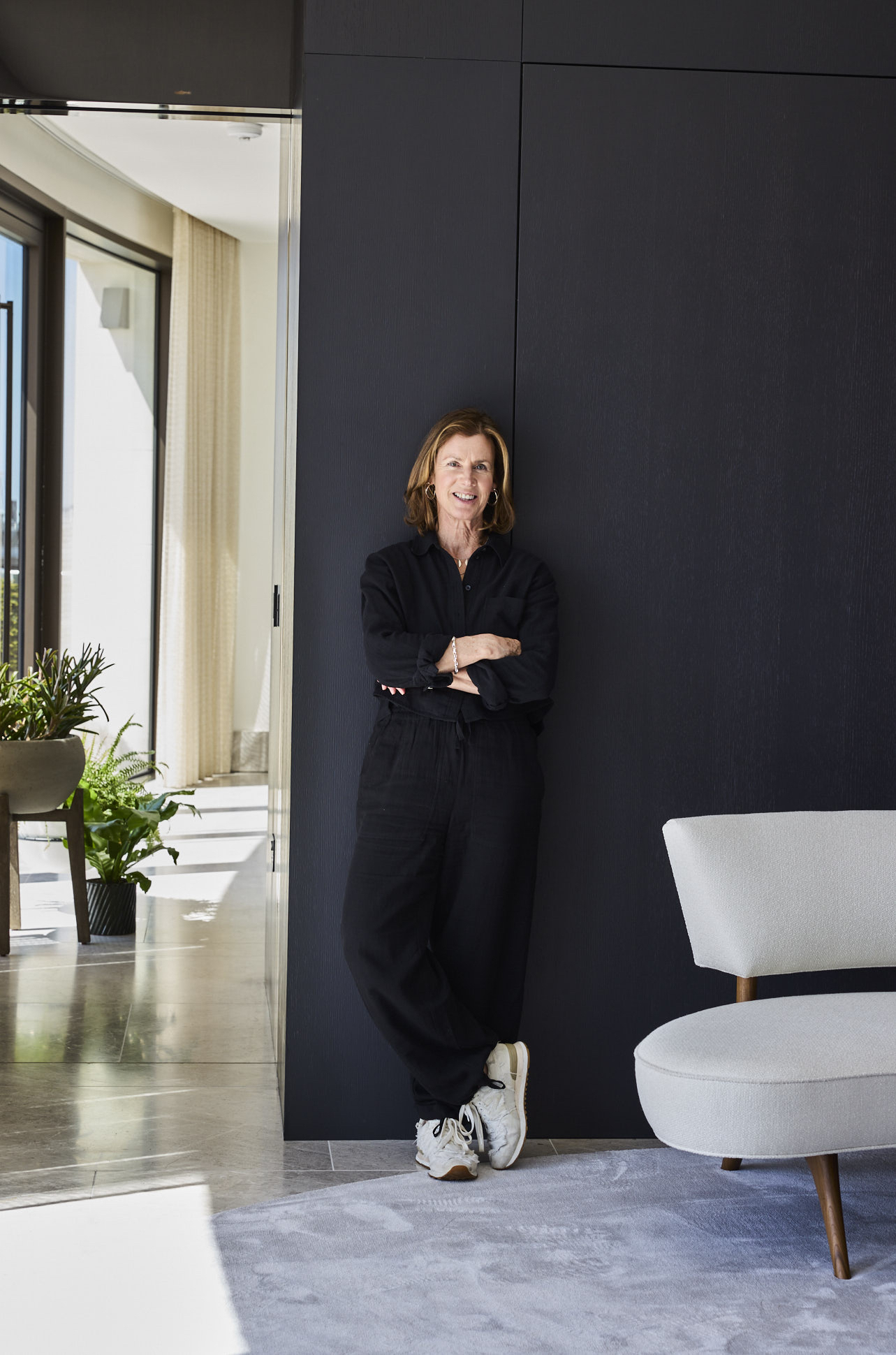
MoreySmith is a London-based studio founded by it’s Principal Director, Linda Morey-Burrows, who heads up a dynamic mix of designers, architects and technicians. The award-winning studio has an extensive portfolio of projects covering the commercial, workplace, development, leisure and residential sectors.
Linda Morey-Burrows sets the tone of MoreySmith with a can-do, collaborative approach, drawing on her teams’ specialist knowledge and expertise to ensure that innovation and design leads the way.
Morey-Burrows has been grafting her way through the design world since the age of 16 when she left school and chose to follow an interest in art. After working multiple jobs throughout her studies and completing several specialists design courses, her hard work paid off as she graduated with work opportunities already in the pipeline.
Since then, Morey-Burrows has gone on to hone her craft and develop an extensive knowledge of the industry, working for renowned design and architectural practices for nearly a decade, before founding MoreySmith in 1993. The studio offers both interior and architectural design, interior and exterior refurbishment, branding, and property services; working with both occupiers and developers – a strong point of difference.
Here, Morey-Burrows shares her personal and professional insights, which have carried her through from hopeful art-loving teen to the experienced art-loving leader she is today.
What is your earliest memory of design having an impact on you?
Trips to the V&A whilst at art college, spending days drawing the artefacts and treasures as well as the spaces and galleries they were in. I’ve always been interested in how the light and proportion of spaces can impact on the objects and people within them.
Where did you study design and what did you specialise in?
3-Dimensional Design at Berkshire College of Art and Design – I left school at 16 and found the longest course I could stay at. In the final year I specialised in interior design, having worked through furniture design, product and industrial design. Before founding MoreySmith in 1993, I spent around a decade working in large architectural practices, where I really sharpened my professional and business skills.
What kind of designer did you aspire to be and who are your inspirations?
I have always wanted to be successful. I had no money and worked three or four jobs throughout college to keep things going. I wanted to do things differently and I have always cared very much about the effects of design on the people who pass through spaces and work and play in them.
I graduated aged 20 and was offered freelance work from two of my tutors, and in fact freelanced for the first couple of years, before being offered a position as Interior Designer at David Leon and Partners.
My early years were spent in retail and hospitality design; back then I looked to people like Terence Conran for inspiration, but really I’ve never been particularly driven by individual designers. My inspiration comes more from how people behave in certain environments and how space makes them feel.
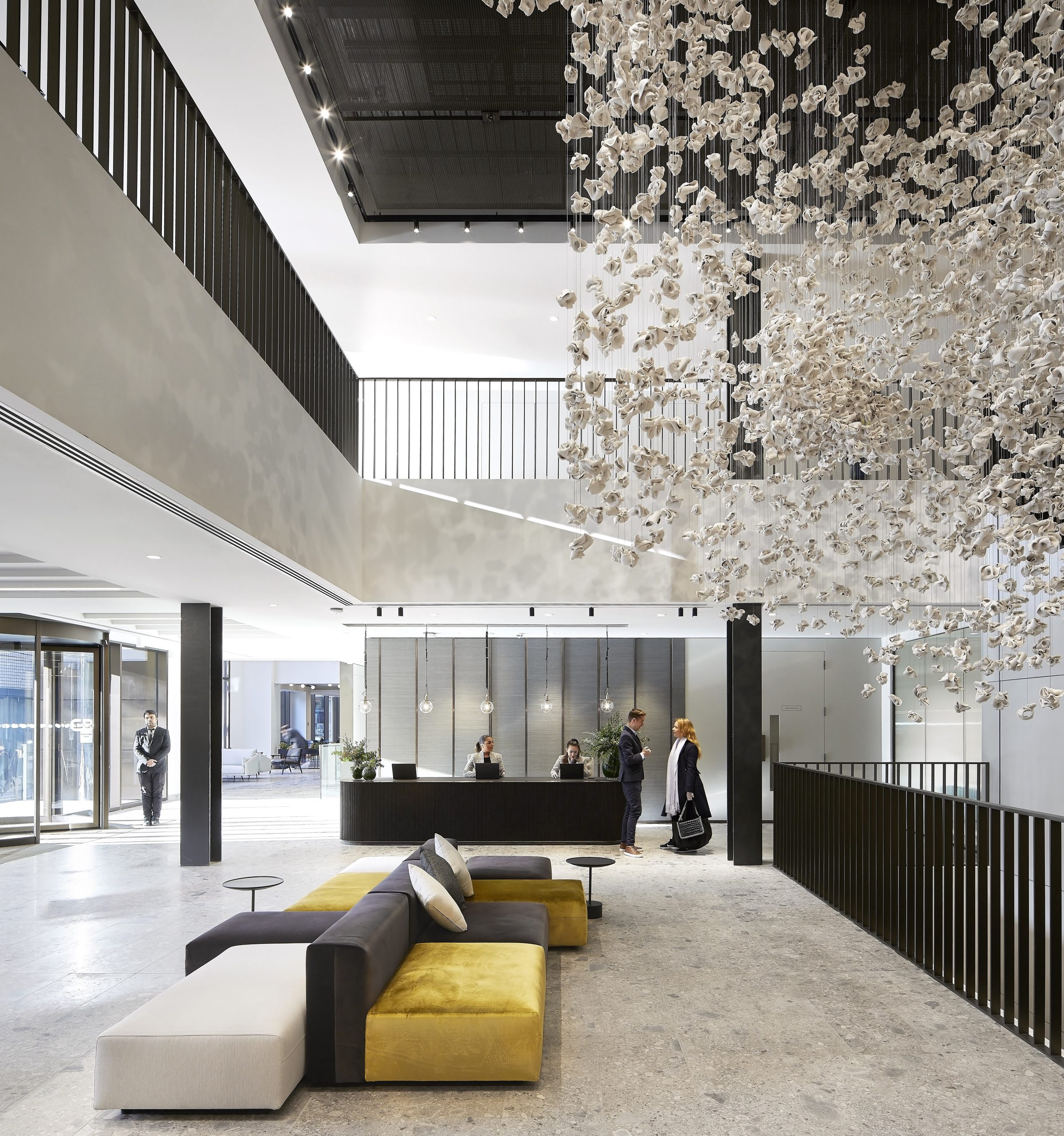
I do however admire many contemporary artists, established and emerging ones like Nika Neelova and Charles Avery who exude a braveness that I am drawn to. Whenever possible we include contemporary art and craft into our projects, and organise an annual art fair supporting emerging young artists. This year it was held at Sony HQ in Kings Cross and we raised £100,000 the charity Hospital Rooms, which was incredible given the economy.
What was your first professional design commission?
When I was at art college I worked as a model maker and got quite a big private commission to construct a model of a night club for a big Kings Road designer. At MoreySmith our first commission was for Capital Radio. We moved them from the ‘rocking tower’ in Euston to Leicester Sq and we were the architect and interior designer, it was a major ‘cut and carve’ refurbishment project. I had literally just set up with only three people so had to scale up quickly and was on a steep and fast learning curve at age 29.
What has been your biggest design commission to date?
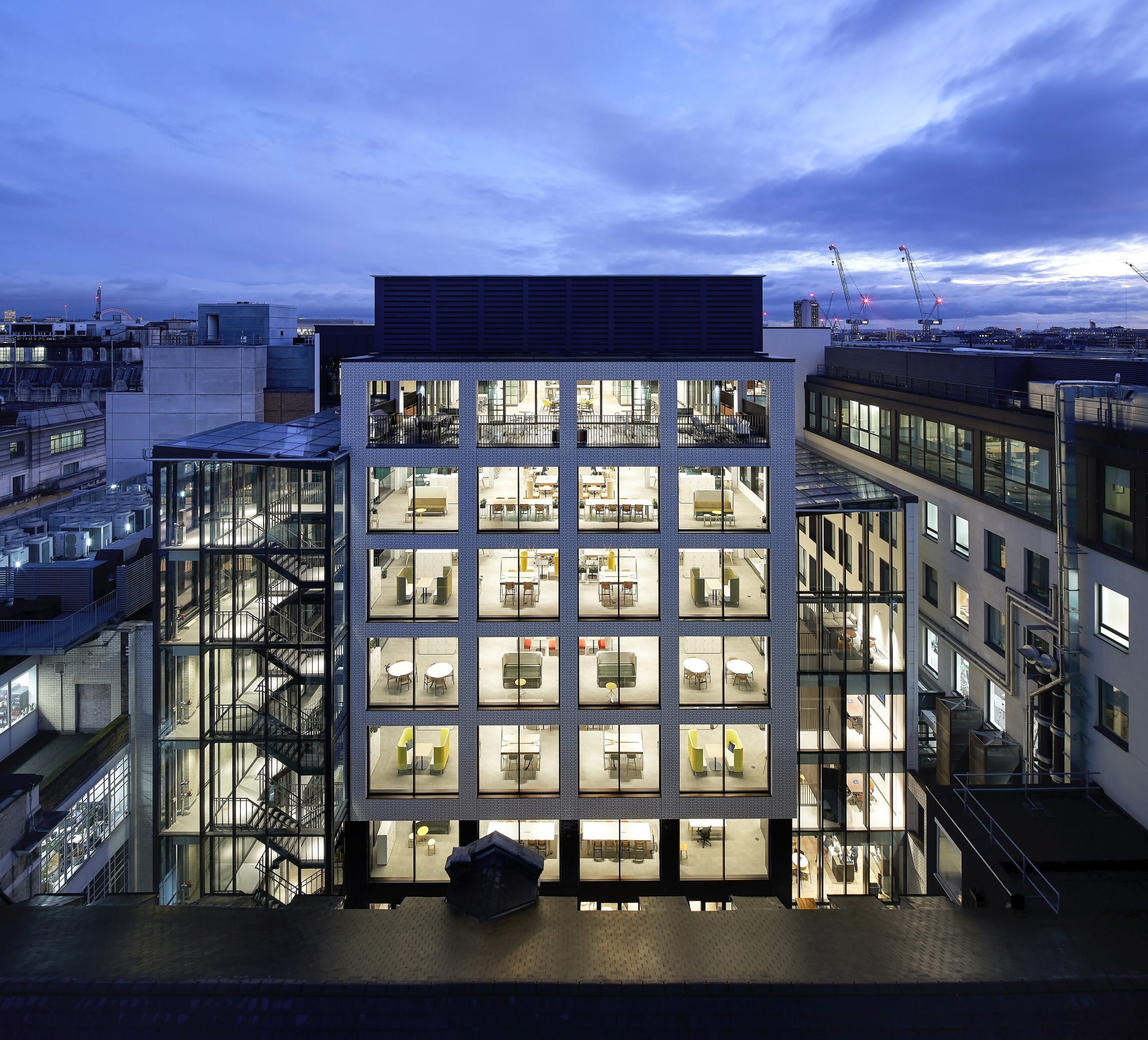
So far, in terms of value and recognition it would have to be Henrietta House for Lazari Investments, CBRE’s HQ. It was a £89m redevelopment. We did the new build refurbishment and total interior design including everything from the architecture to the FF&E, art and styling. The environmental and wellness elements we designed led to it winning several awards and we’ve heard that CBRE (and others) use it as a template for other projects in the pipeline. Some people think it’s like a hotel!
How would you describe MoreySmith as a studio and a community of designers?
We are very much a close-knit family with the ups and downs that go with that. A few of us have been together for over 25 years and many of us over 10 years, with a fresh intake of three grads a year. It’s an inspiring and sometimes chaotic environment, charged with passion and energy and balanced by the calm technical expertise of the senior team, architects and technicians. I couldn’t be prouder of the studio we’ve become. As an Employer Owned Trust, MoreySmith is owned by its people, 35 of us working across two studios in central London, and that shared ownership shapes how we work together every day. Alongside our leadership in commercial design, we’ve grown a high-end residential sister business, Studio Morey.
What are the key characteristics you look for when bringing new talent into your studio?
In some, we look for passion, energy, flair, good communication skills and creativity; and for others, technical expertise and knowledge and experience. I look for designers who are genuinely interested in people, who can listen, as well as design, and are team players.
How has workplace design evolved over the past year and what workplace design trends to you foresee in 2026?
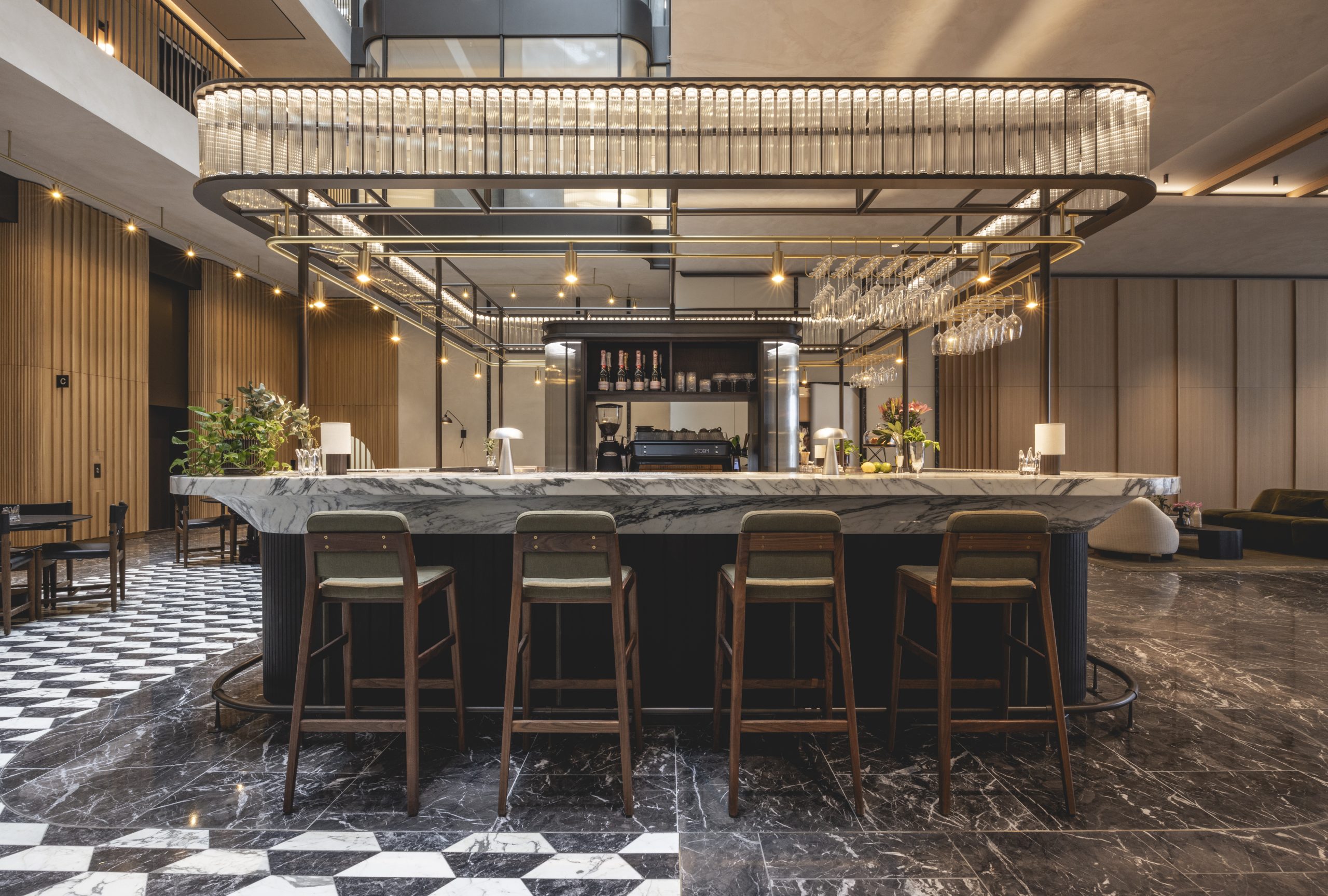
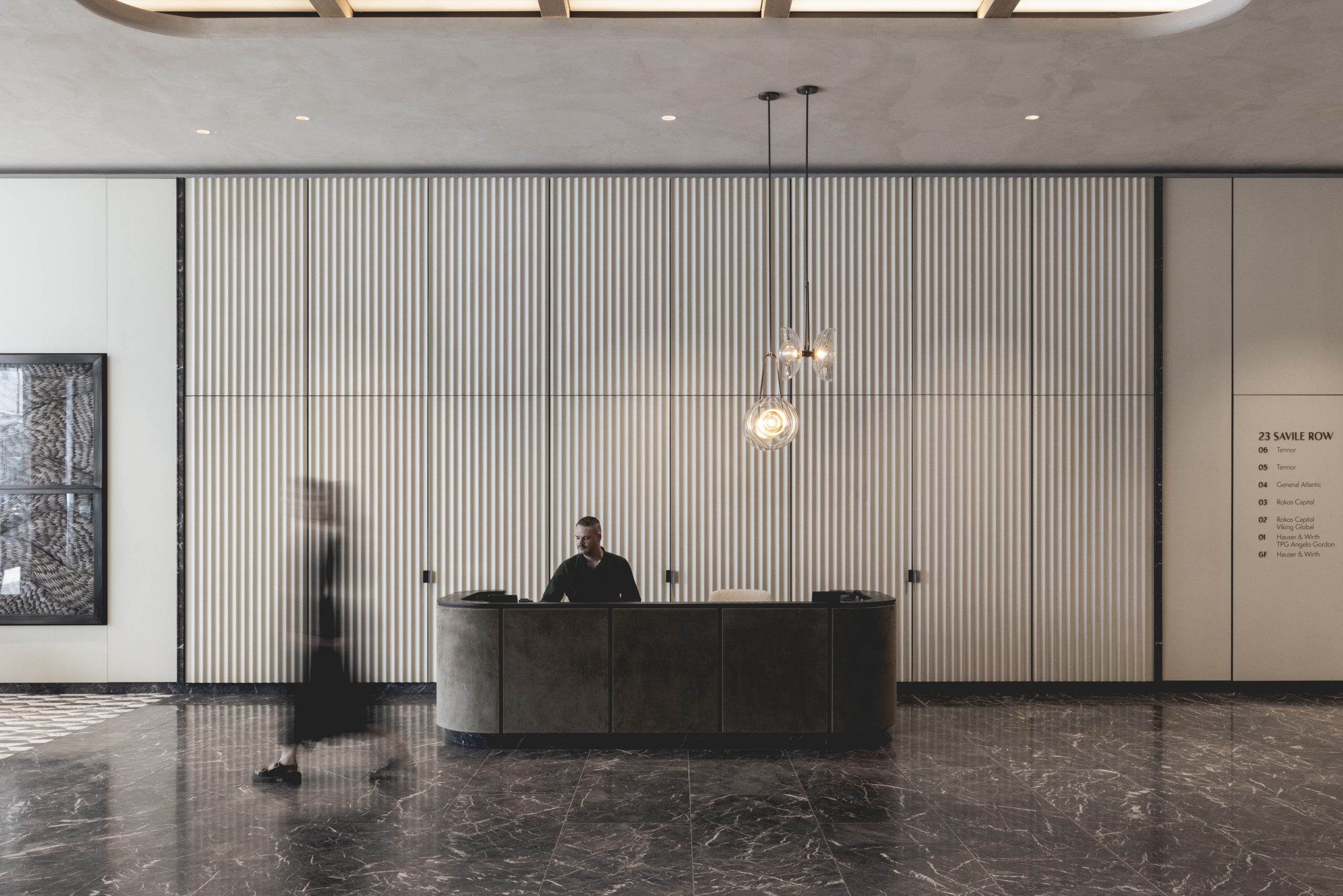
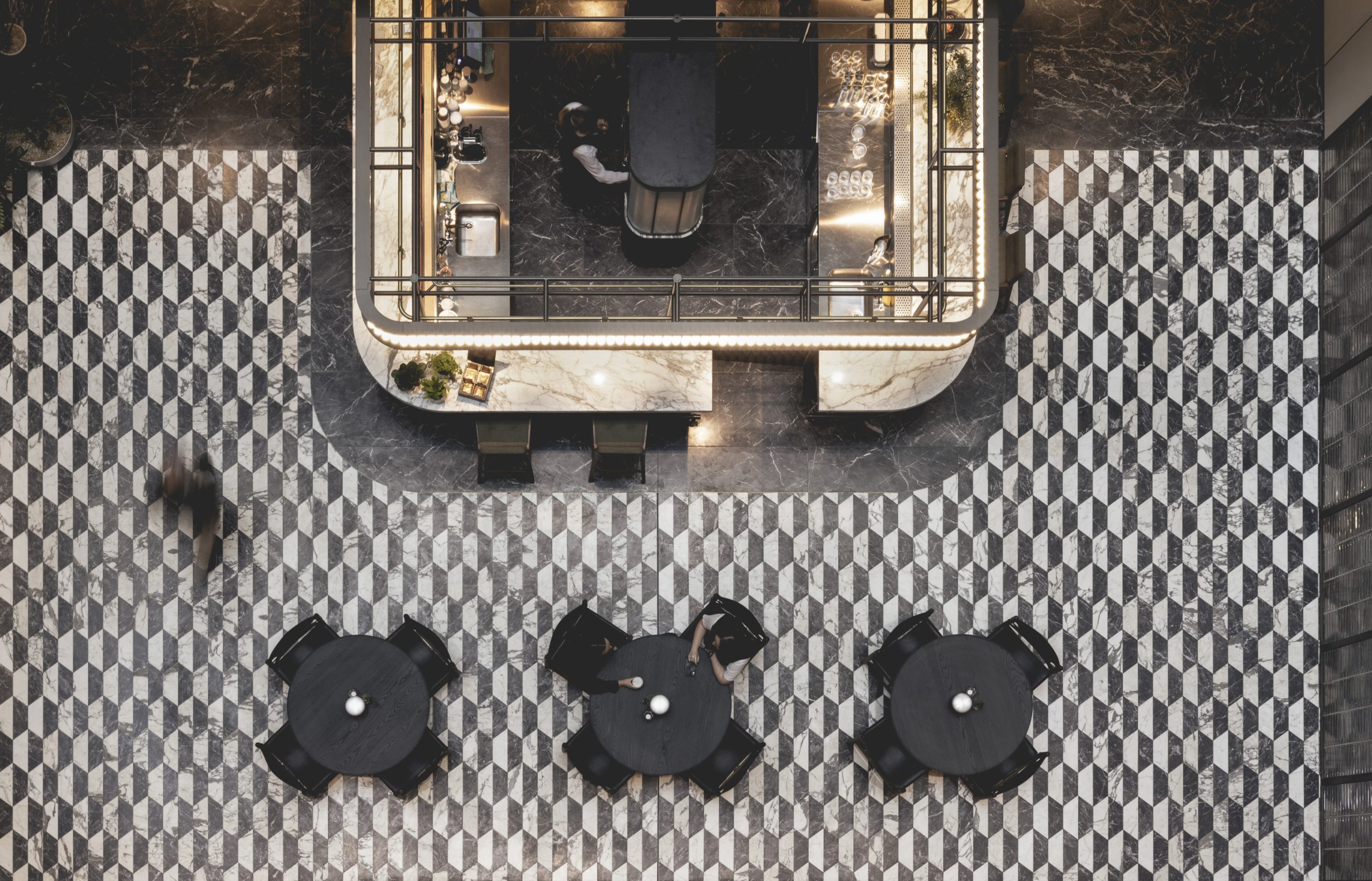
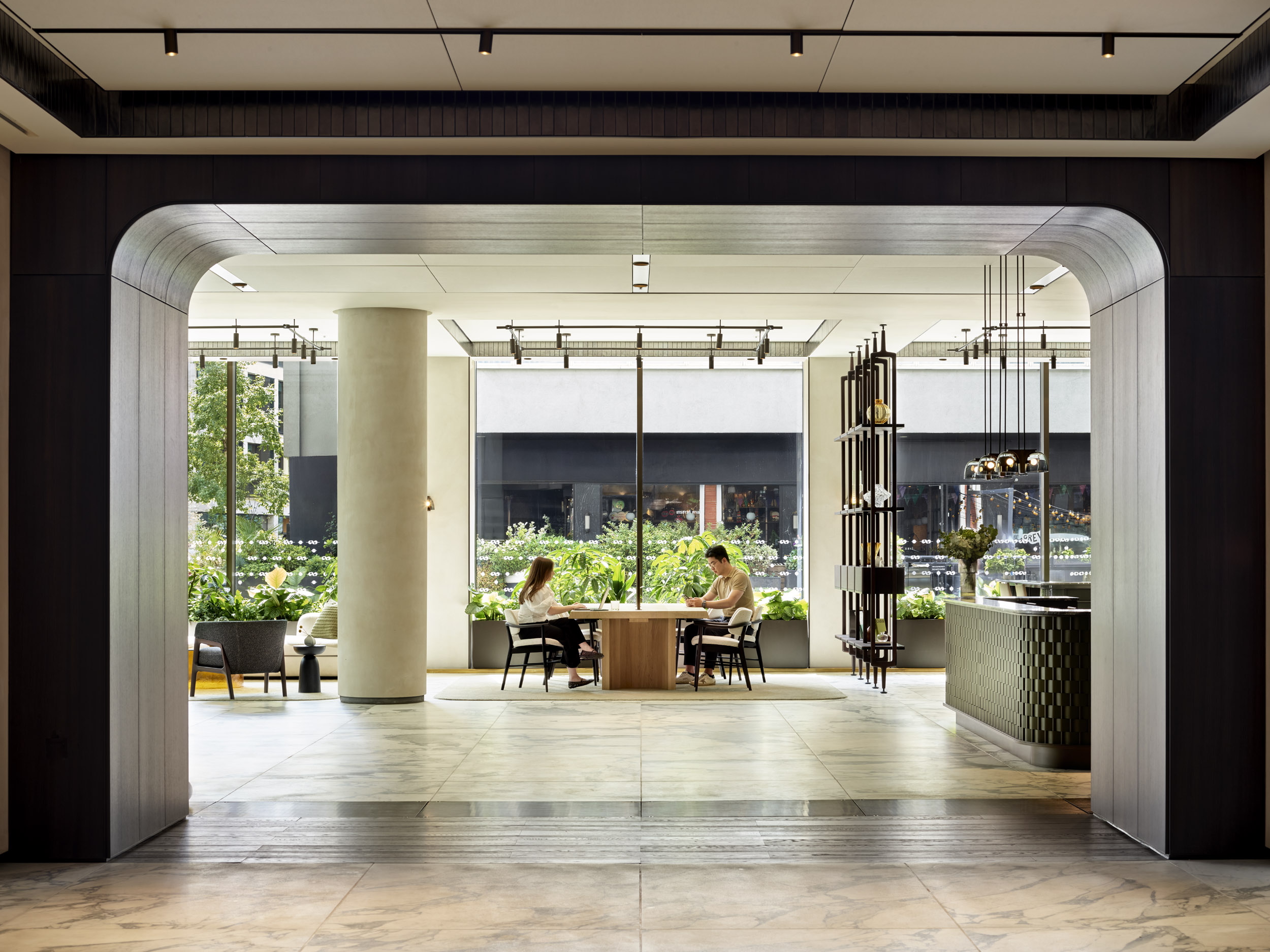
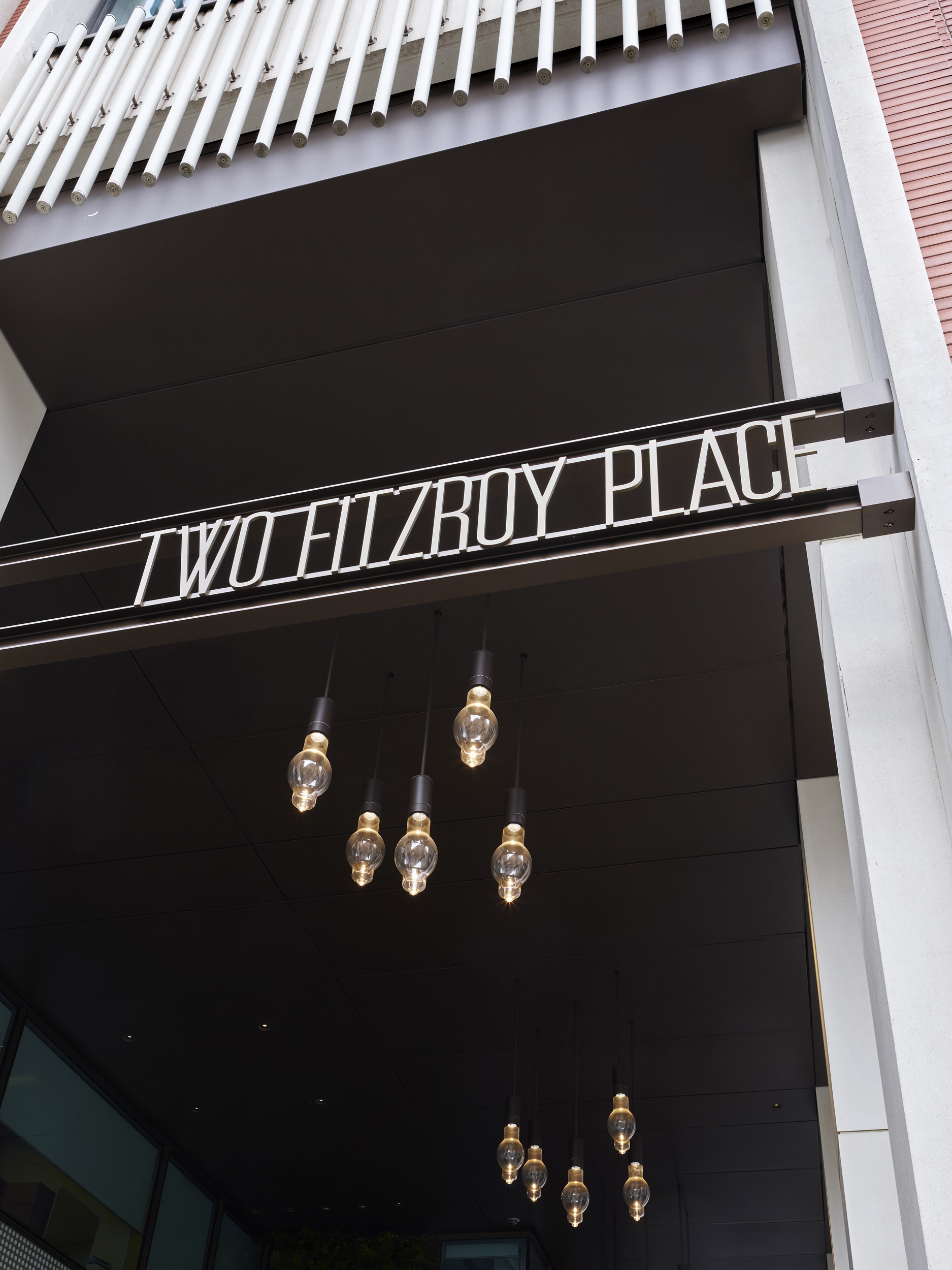
Offices will increasingly be places for connection, learning, and culture, and we will continue to see more and more of a residential and hospitality-centered approach. Our recent project 23 Savile Row often gets compared to a luxury hotel (with its own bar in the reception with velvet luxe seating). In our 2 Fitzroy Place project the entrance and reception experience was the focus with high end changing/showering facilities, and we are just starting on site for a beautiful roof terrace – the trend of converting rooftops for people/leisure and hospitality keeps on coming, elements which we know are incredibly valued by the people who use them.
Also, where we would classically have designed large headquarters for corporates or media and fashion clients, we are now providing this for developers as part of the base build. This has been a huge shift.
What do you think should be a key focus for designers moving forward in 2026 and beyond?
Design for people, not for the photoshoot, awards or box ticking accreditations. Think harder about longevity and future-proofing, don’t follow trends, stop looking at social media and what everyone else is doing and lead from the front. At Maple House on Tottenham Court Road, for example, we reused as much of the original structure from the Seifert architecture as possible and introduced more natural materials and softer residential nuances including work by contemporary local craft makers to complement the building’s Brutalist character. Bringing out the heritage of the space makes it a really enjoyable place to spend time. We are now working on converting the old plant space on the roof to create a terrace, events and club space. Ultimately, the goal is: design places people want to be in.
If you hadn’t become an interior designer what would you be doing?
Gosh that’s a tricky one, well definitely something creative although I’d say my business skills are equal to my design skills, which is incredibly rare. Perhaps a landscape architect or Botanist (actually my son did his doctorate in biochemistry and now spends his time researching and designing novel photosynthetic proteins with the long-term goal of trying to combat our reliance on fossil fuels). Or if I chose a more romantic route, I’d be a florist without a care in the world.
www.moreysmith.com | IG: @moreysmith | LinkedIn: @moreysmith